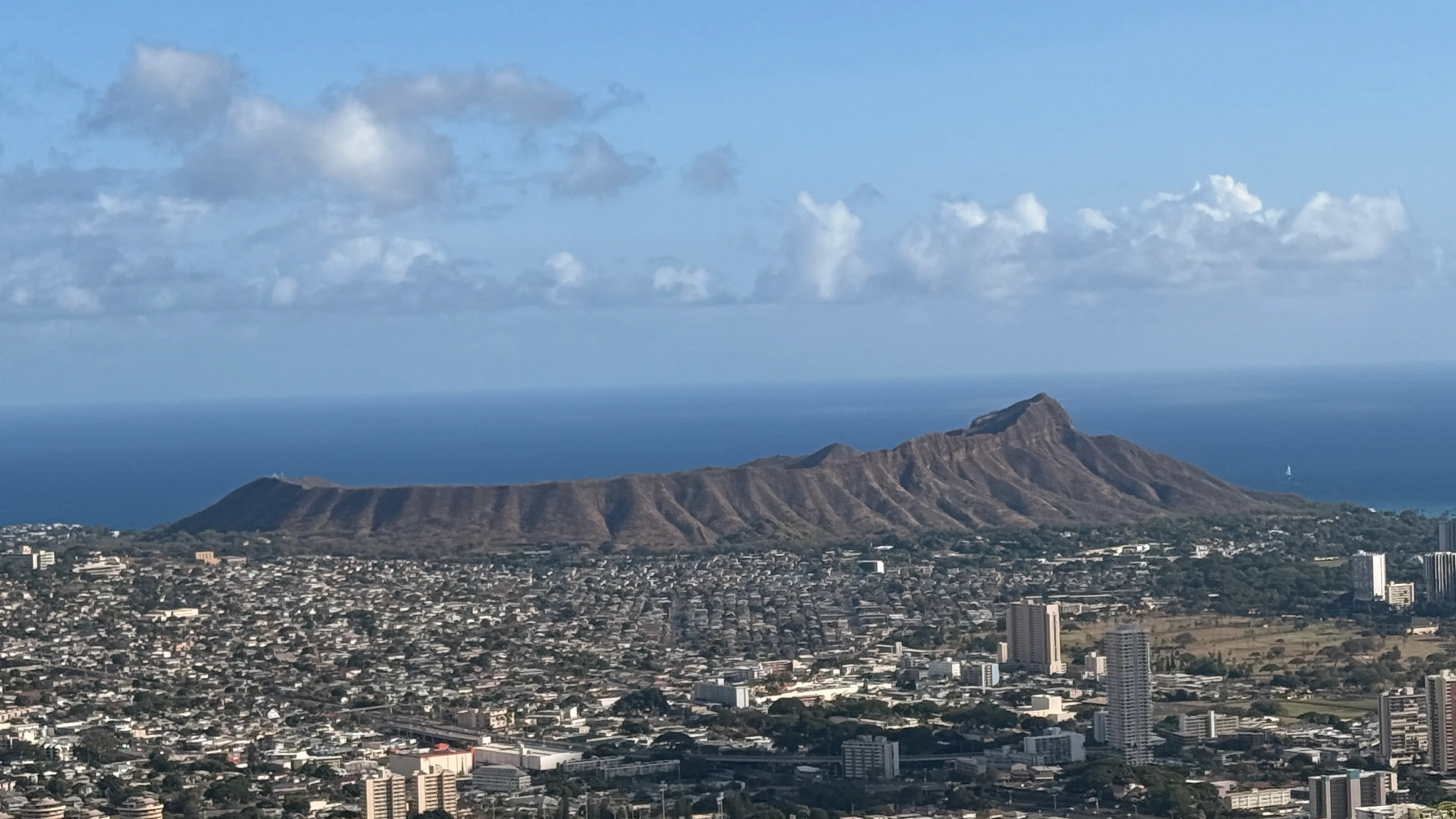
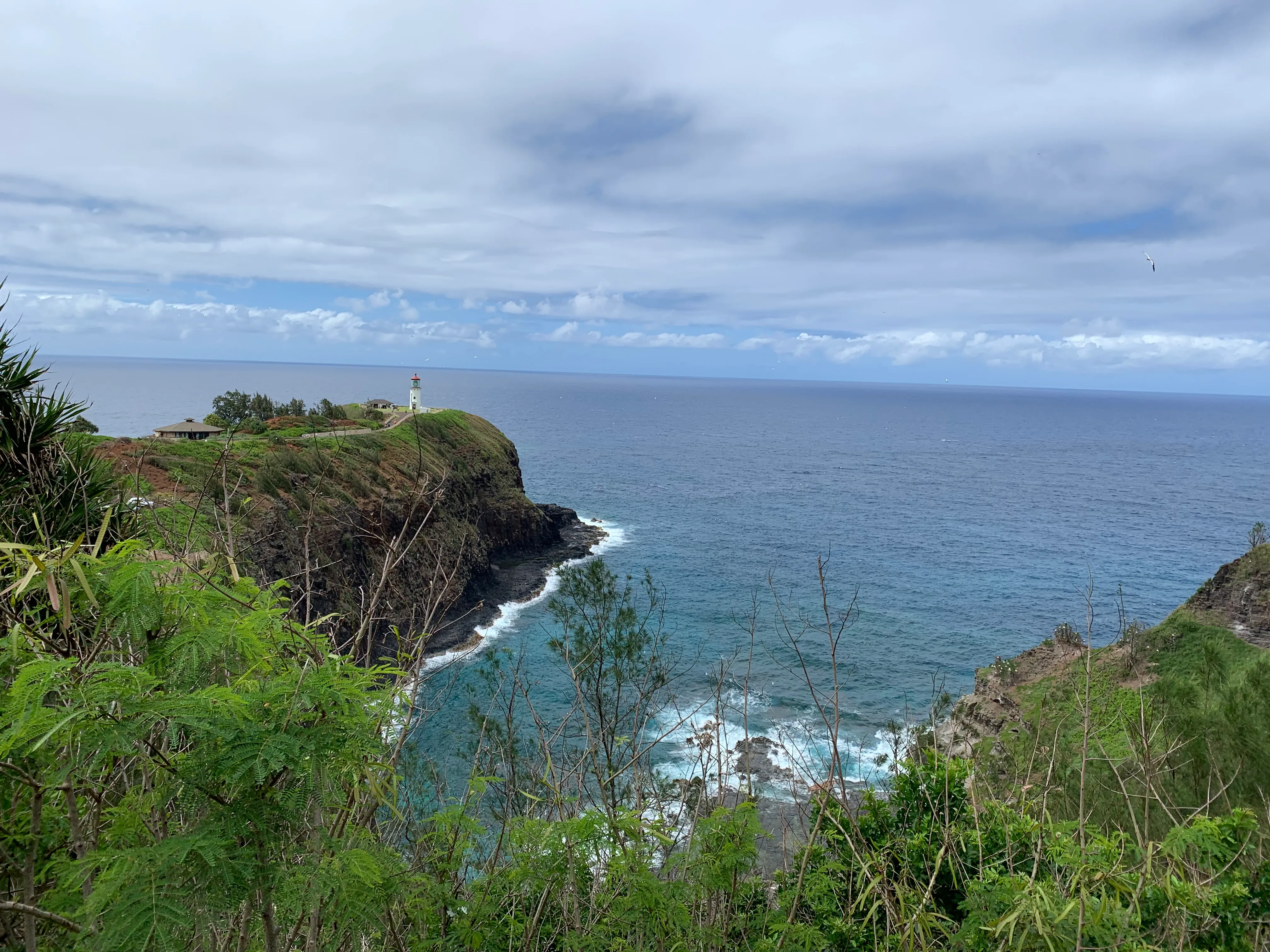
Environmental design, the practice of shaping physical spaces to communicate, guide, and create experience, is fundamentally about relationship. Between person and place. Between movement and meaning. Between the built and the natural.
And yet much of how environmental design is practiced and taught treats place as a neutral canvas. A backdrop. A container for the design rather than a participant in it.
Indigenous ways of knowing, and Hawaiian place-based knowledge in particular, start from a fundamentally different premise: that place is never neutral. That every environment carries history, relationship, and meaning that existed long before the designer arrived. And that working well within a place requires understanding and responding to what is already there.
Place is never neutral. Every environment carries history, relationship, and meaning that existed long before the designer arrived.
What place-based knowledge actually means
Place-based knowledge in Hawaiian tradition is grounded in the concept of mālama ʻāina, care for the land, and in the understanding that people and place are in ongoing relationship, not in a subject-object dynamic. The land is not a resource to be managed or a surface to be designed. It is an ancestor. It has a history, a genealogy, and a set of relationships with the people who live in and care for it.
This shapes how space-making is approached. In traditional Hawaiian architecture and land use, form followed relationship. The orientation of structures, the management of water, the organization of communities across landscape were all shaped by deep knowledge of local conditions, ecology, and the specific history of a place.
Environmental designers working in Hawaiʻi, or in any place where indigenous communities have sustained relationships with land, are working within that existing layer of meaning whether they acknowledge it or not.
The design implications
If place is not neutral, then the first act of environmental design is not sketching. It is listening. It is the same kilo that runs through the rest of this studio's practice: sustained attention to what a place already is, what it carries, and what it needs.
In practical terms, this might look like community consultation that happens before any concept is developed, not as a box to check, but as genuine research. It might look like material choices that reference local ecology rather than imposing imported aesthetics. It might look like wayfinding that uses language and visual systems that reflect the people who actually inhabit the space.
None of this requires abandoning design expertise. It requires situating that expertise within a broader understanding of relationship and responsibility.
The stakes in Hawaiʻi
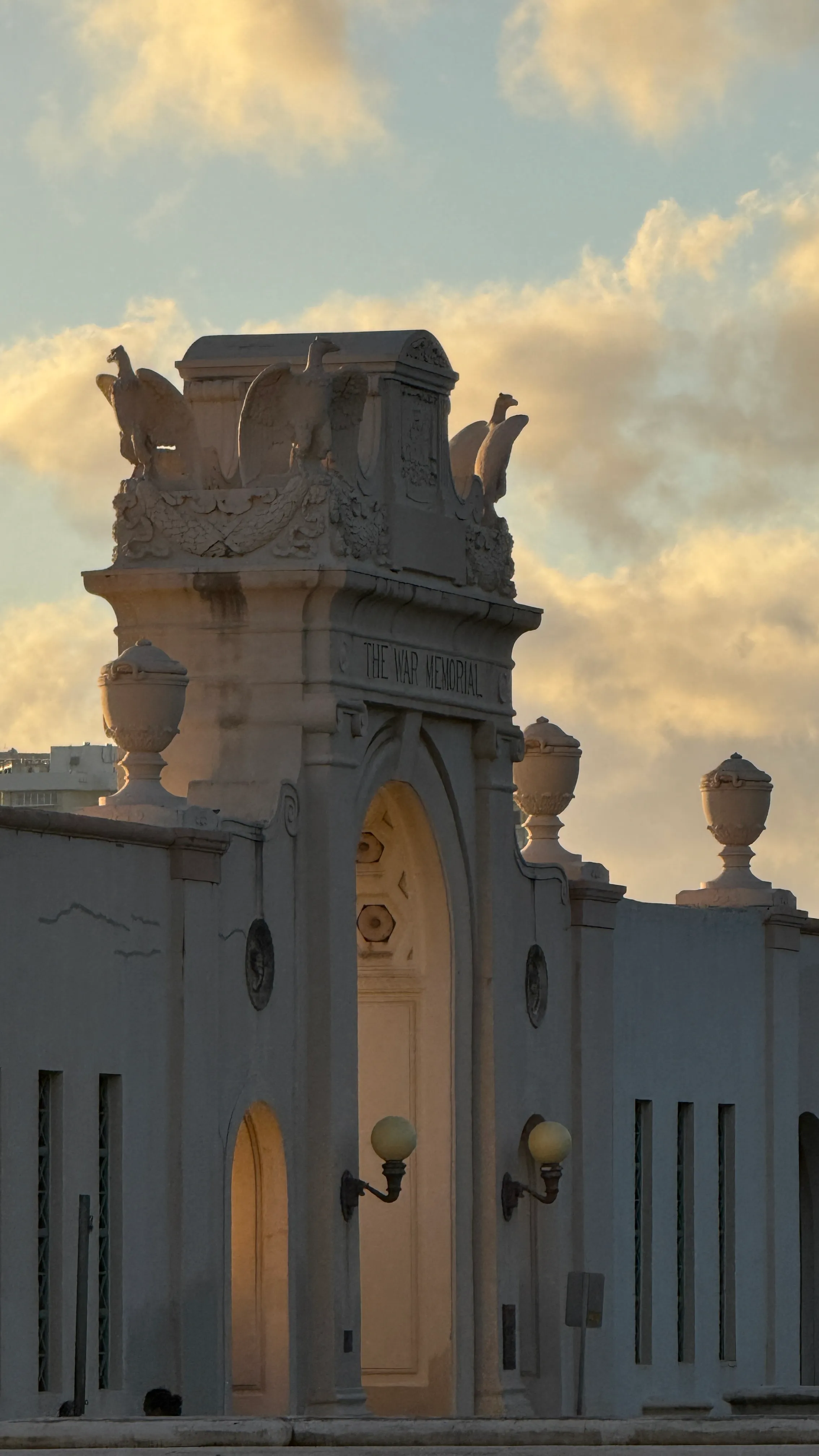
In Hawaiʻi specifically, the stakes of this conversation are not abstract. The built environment has been shaped by over a century of decisions made by people who treated the islands as a blank slate, as paradise to be developed, rather than a place with its own complex histories and living communities.
The result is visible everywhere: spaces that reference a generic tropical aesthetic rather than a specific Hawaiian one, public environments that ignore Hawaiian language and cultural context, developments that sever communities from the land-based relationships that sustained them.
Environmental design that takes place-based knowledge seriously has the potential to do something different, to create spaces that are genuinely of their place, that strengthen rather than erase the connections between people and land.
That is not just better design politics. It is better design.