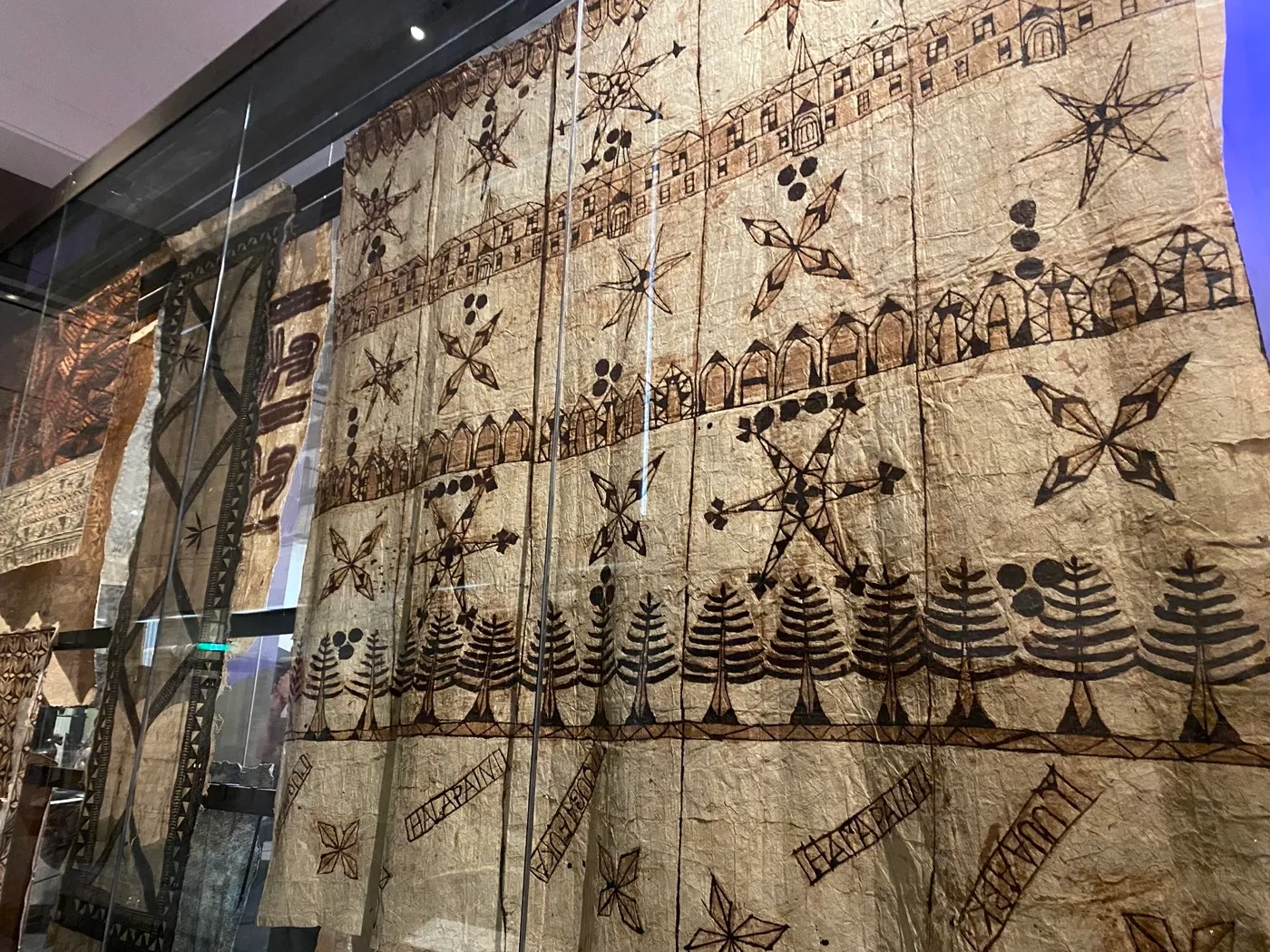

Why Stories Move Us
From the earliest petroglyphs to today's digital interfaces, storytelling has always been the bridge between human experience and meaning. In design, story isn't just a backdrop, it's the architecture. When a brand's visual language, tone, and structure are rooted in narrative, audiences don't just see a product; they feel a relationship. Emotional connections are forged not through perfect aesthetics, but through authentic, resonant stories that reflect shared values and lived realities.
When a brand's visual language is rooted in narrative, audiences don't just see a product, they feel a relationship.
Cultural Storytelling as a Design Tool
Indigenous and culturally grounded storytelling traditions offer a powerful lens for designers. These traditions don't separate the practical from the sacred, the visual from the verbal. When I bring that holistic approach into branding and digital design, the result is work that feels whole, not assembled from parts, but grown from a single root. At Trezaloha Creative, ʻŌiwi storytelling principles guide how I frame problems, structure narratives, and decide what details deserve to be seen.
Practical Techniques for Narrative-Driven Design
Narrative-driven design starts before a single pixel is placed. It begins with understanding the arc of your audience's experience: where they come from, what tension they're navigating, and what resolution your brand can offer. From there, hierarchy becomes a storytelling tool, leading the eye through a sequence that mirrors a story's beats. Color, typography, and imagery each carry emotional weight. Used intentionally, they deepen the narrative; used carelessly, they break it. Consistency across touchpoints is the equivalent of a reliable narrator, it builds trust and keeps the audience invested.
Measuring Emotional Connection
Emotional connection isn't abstract, it leaves measurable traces. Return visits, shares, time-on-page, and qualitative feedback all reflect whether a design's story is landing. More importantly, the communities you serve will tell you directly when something feels true. That feedback loop is invaluable, and honoring it is itself an act of cultural respect. The most successful projects in my studio have been those where community members saw themselves in the work, not as targets, but as co-authors.