
Before there is a design, there is an environment. Before there is a solution, there is a situation, layered, relational, and often moving too fast for anyone to see clearly.
Kilo slows that down.
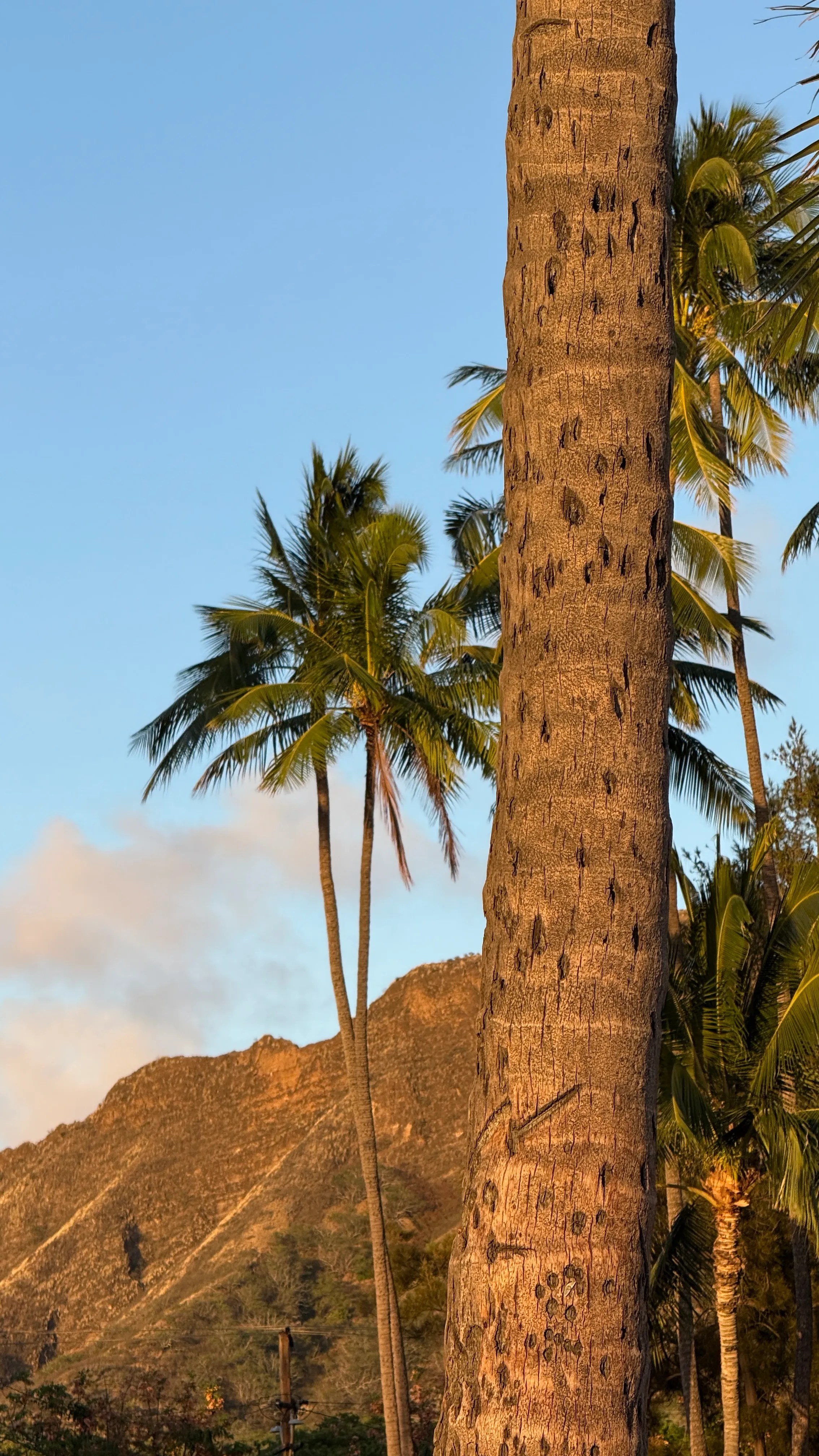
In Hawaiian practice, kilo refers to the act of careful, sustained observation, watching the stars, reading the ocean, attending to the subtle shifts in environment that carry information. Kilo practitioners developed deep knowledge not by extracting data from a system but by being present to it over time, building a relationship with what they were observing.
As a design method, kilo is both simple and demanding. It asks the designer to look before they speak, to listen before they propose, and to develop a relationship with context that most project timelines do not naturally allow for.
Where a conventional research phase might ask what users need, kilo asks: what is this place already telling me?
What kilo looks like in a design process
In practice, bringing kilo into a design process means resisting the compression of discovery. Most conventional research phases are designed to be efficient, to extract the most insight in the least time. Kilo asks a different question: what would you see if you kept looking?
It means spending time in a space before designing for it. It means attending community events before running workshops. It means reading the existing visual and material culture of a place before proposing anything new. It means noticing what is already working, already beautiful, already held, before reaching for improvement.
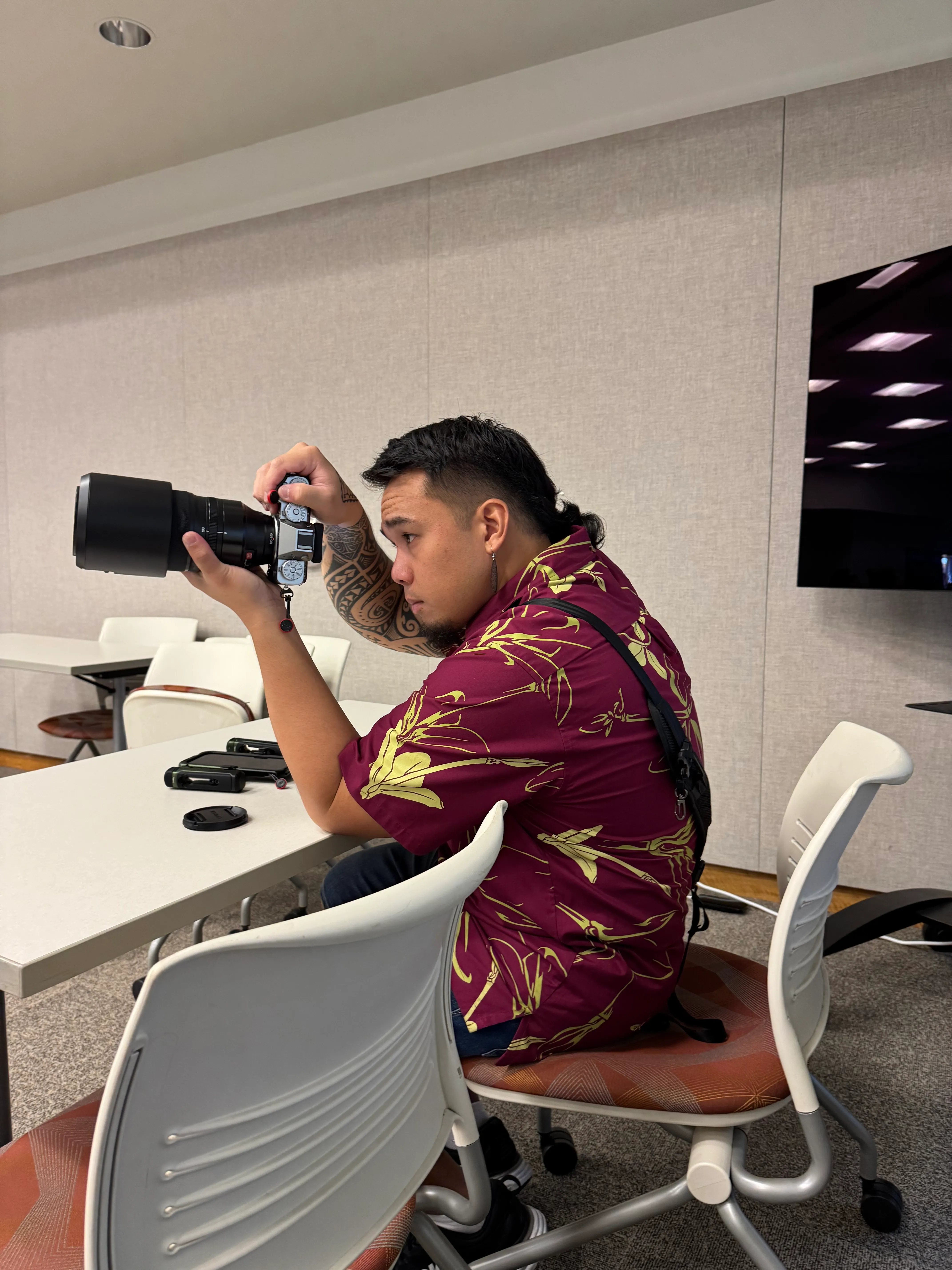
This is not passive. Kilo requires active, disciplined attention. It requires showing up repeatedly, not just once. It requires the observer to manage their own assumptions, to notice when they are projecting rather than perceiving.
The relationship between kilo and research
Kilo is not incompatible with conventional design research methods. Interviews, observations, user testing, these are all legitimate tools. But kilo provides a different orientation to those tools. It places relationship and presence at the center, rather than efficiency and extraction.
Where a conventional research phase might ask "what do users need?" kilo asks "what is this place already telling me?" Where a design sprint compresses insight into a few days, kilo suggests that some knowledge only becomes available over time.
In the context of designing for Hawaiian communities, for Pacific communities, or for any community whose knowledge systems are place-based and relational, this distinction is not academic. Rushing past kilo, treating community engagement as a checkbox rather than a practice, produces work that may be technically competent but is fundamentally disconnected.
Kilo in the art practice
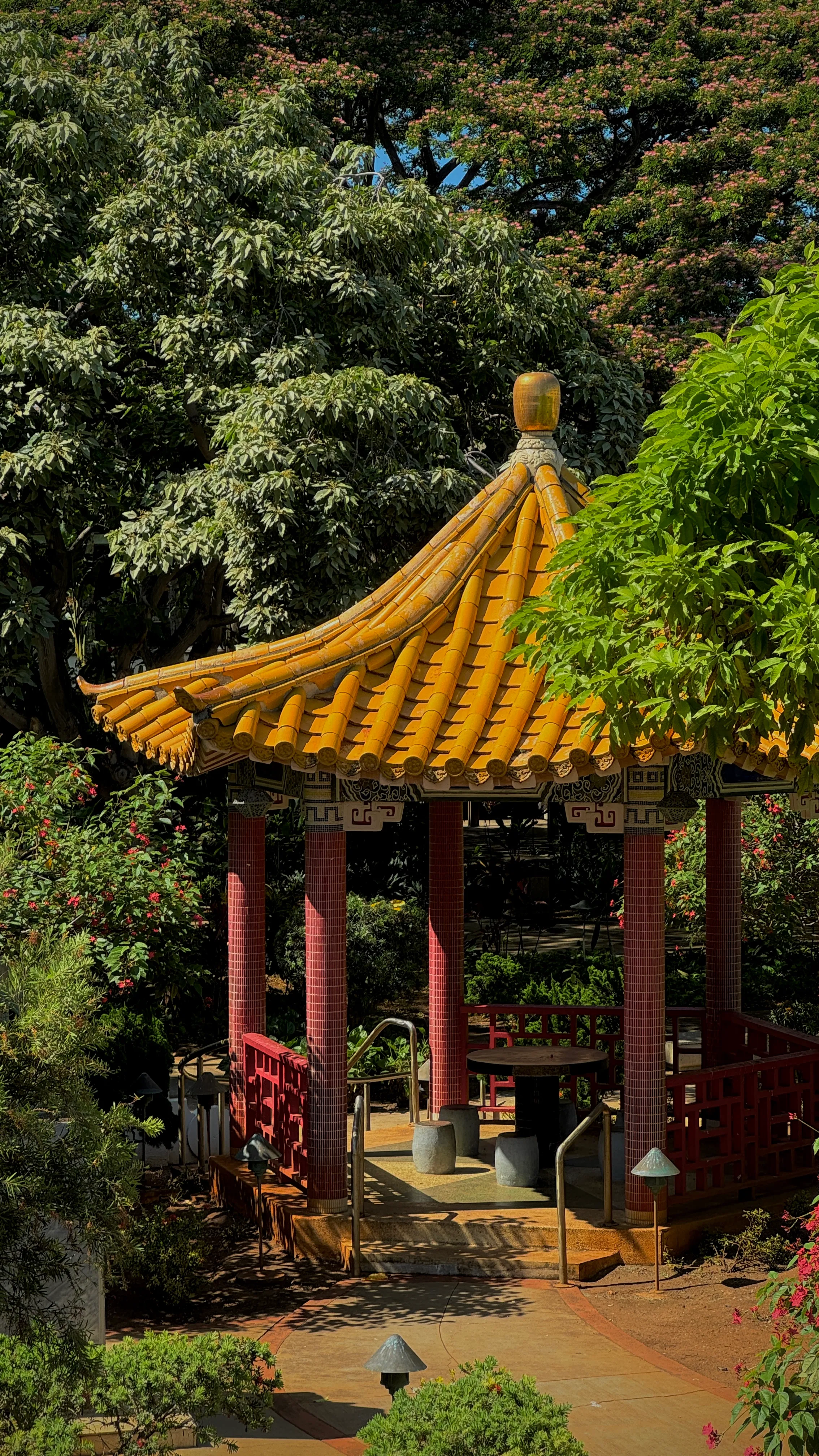
The principle extends beyond design into the art practice as well. Kapa-making begins with kilo, reading the wauke plant, understanding the season, attending to the material's readiness. Illustration begins with kilo, looking carefully at what is actually there before deciding what to draw. Installation work begins with kilo, understanding a space, its light, its movement, its relationship to the people who will move through it.
In every sphere of the studio's practice, kilo is the first move. Not because it is required by a methodology, but because it produces better work, work that is genuinely responsive to the world it is made for.