Every piece of work tells a story. Not always intentionally. Not always well. But the choices made in how something is designed, made, organized, and presented all add up to a narrative, a set of claims about what matters, where something comes from, and what it is for.
Moʻolelo, Hawaiian narrative tradition, offers a more deliberate relationship to that reality.
In Hawaiian knowledge systems, moʻolelo is not simply storytelling in the Western sense. It is a way of organizing meaning across time, of connecting present actions to ancestral knowledge, of carrying understanding forward through generations, of holding communities together through shared narrative threads. Moʻolelo is both the story and the act of telling it. It is both content and structure.
Moʻolelo is both the story and the act of telling it. It is both content and structure.
What moʻolelo asks of a creative practice
When moʻolelo is brought into creative practice as a structural framework, not just a thematic reference, it changes the questions a project begins with.
Instead of: what is the message? It asks: what story does this work belong to?
Instead of: who is the audience? It asks: who are the people this work carries something forward for?
Instead of: what problem does this solve? It asks: what does this make possible that did not exist before?
These are not softer questions. They are harder ones, because they require the maker to think beyond the immediate deliverable and into the longer arc of what the work is part of.
Moʻolelo in editorial and graphic design
In editorial design, moʻolelo is a natural fit. Layout is already in the business of organizing story. But the framework pushes beyond conventional narrative structure. It asks not just how information flows from page to page, but what kind of knowledge is being carried, and how the design choices honor or undermine that knowledge.
A publication designed for a Hawaiian community, for example, is not just a container for content. It is part of a longer story about representation, visibility, and who gets to speak in whose visual language. The typefaces chosen, the images selected, the amount of Hawaiian language present, all of it contributes to a moʻolelo about what this community is and what it values.
Moʻolelo in installation and spatial work
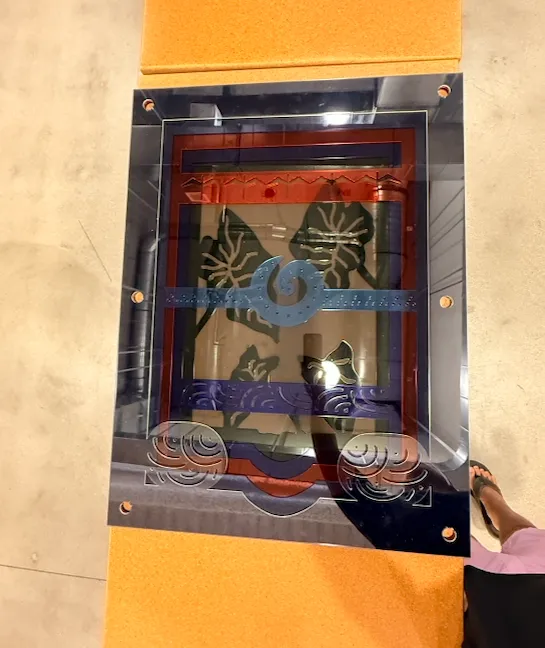
In installation and exhibition work, moʻolelo functions as the organizing principle of experience. The path a viewer takes through a space, the sequence in which they encounter objects or images, the relationship between what is said and what is left open, all of this is narrative structure.
Working with moʻolelo means designing that structure with intention, knowing what story is being told, understanding what it connects to, and being honest about where it leads.
The responsibility in the telling
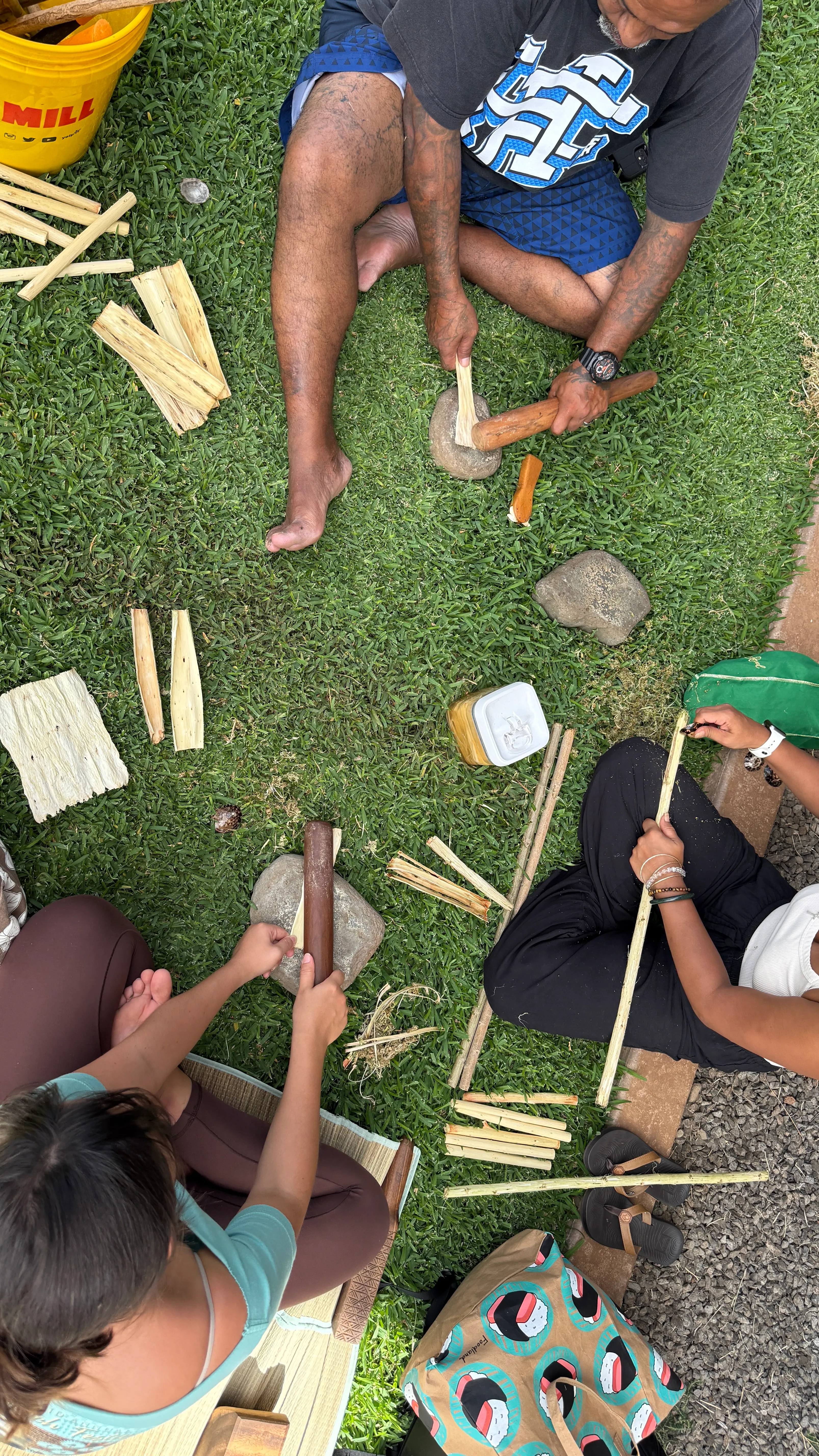
Moʻolelo also carries responsibility. In Hawaiian tradition, the telling of certain stories carries protocols, knowledge of who holds them, when they can be shared, and with whom. Not all stories belong to everyone equally.
For a creative practice that works with Hawaiian cultural content, this is not a restriction but a reminder: stories are not raw material. They are relationships. Handling them well is part of what it means to be a responsible maker.