The word "craft" carries a particular weight in Western cultural frameworks. It implies skillful making, yes, but also a kind of hierarchy. Craft sits below art. It is useful, it is skilled, but it is not quite serious. It is technique without theory, making without meaning.
Hawaiian kapa-making does not fit that category. It never did.
Kapa, barkcloth made primarily from the wauke plant, known in other Pacific contexts as tapa, is one of the most technically demanding, knowledge-intensive, and culturally embedded practices in Hawaiian history. To call it craft is not just imprecise. It misses what the practice actually is.
Kapa is a living practice with a deep intellectual and cultural history. It is art. It is research. It is a form of knowledge transmission.
What kapa is made from
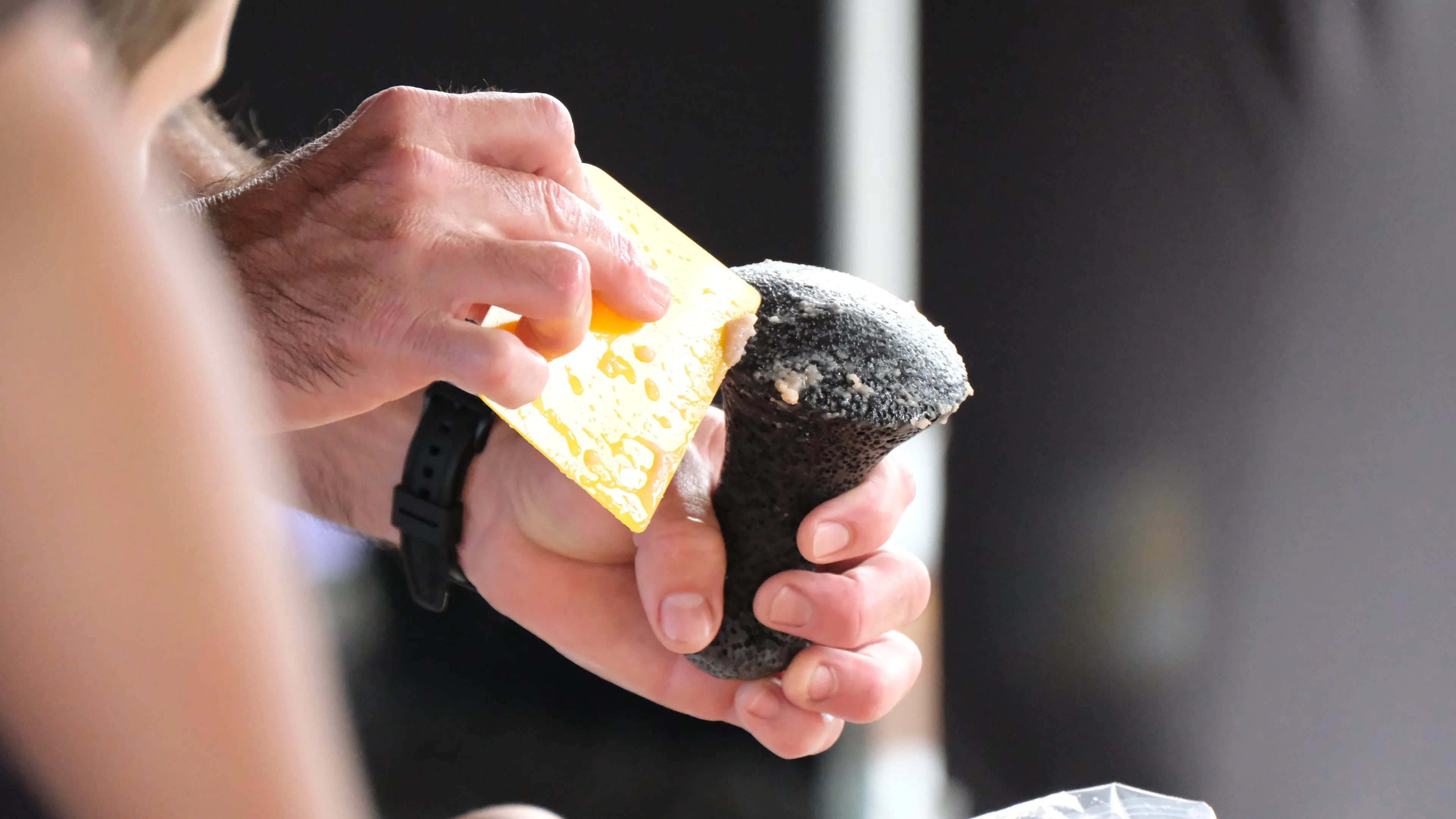
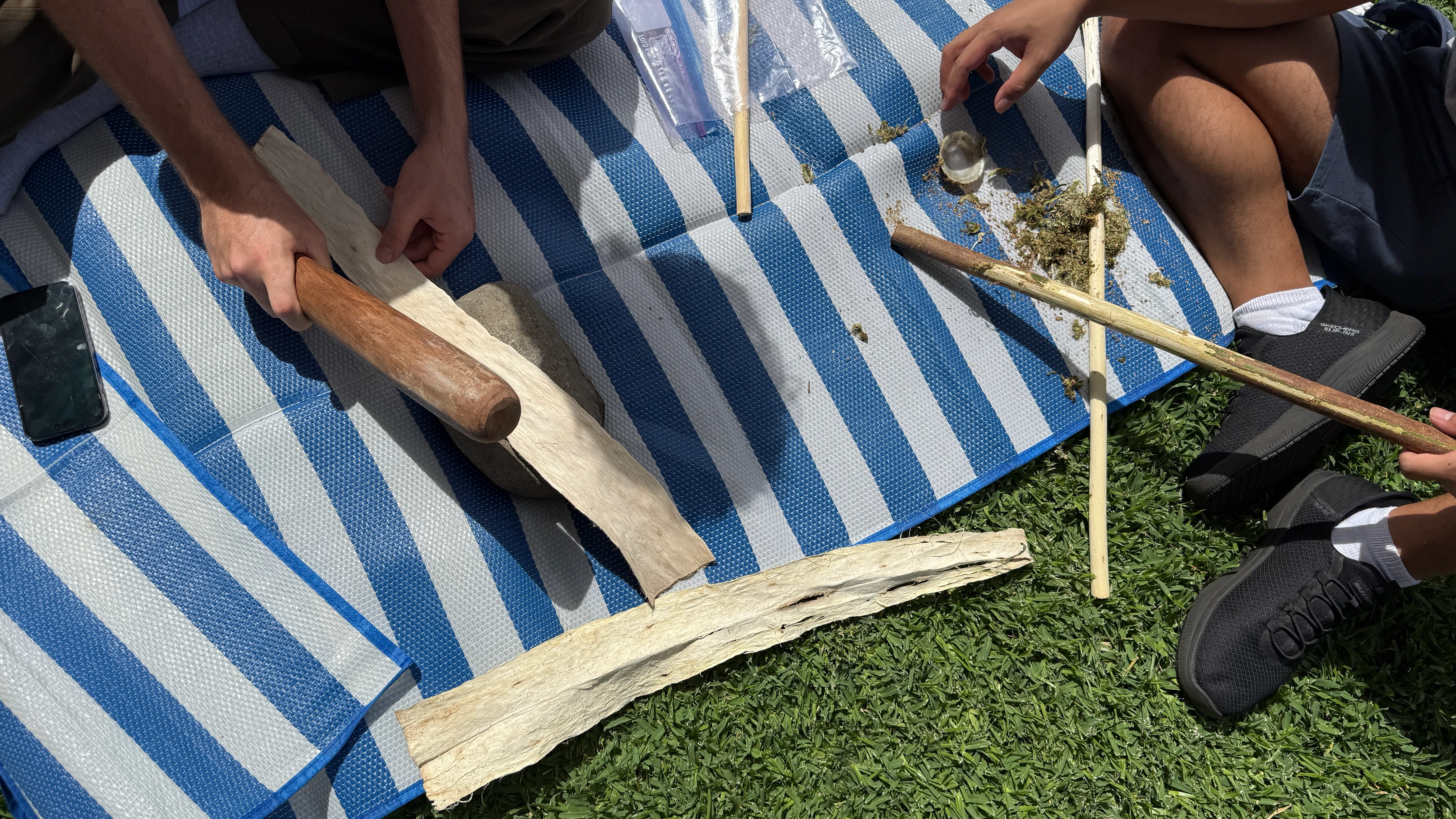
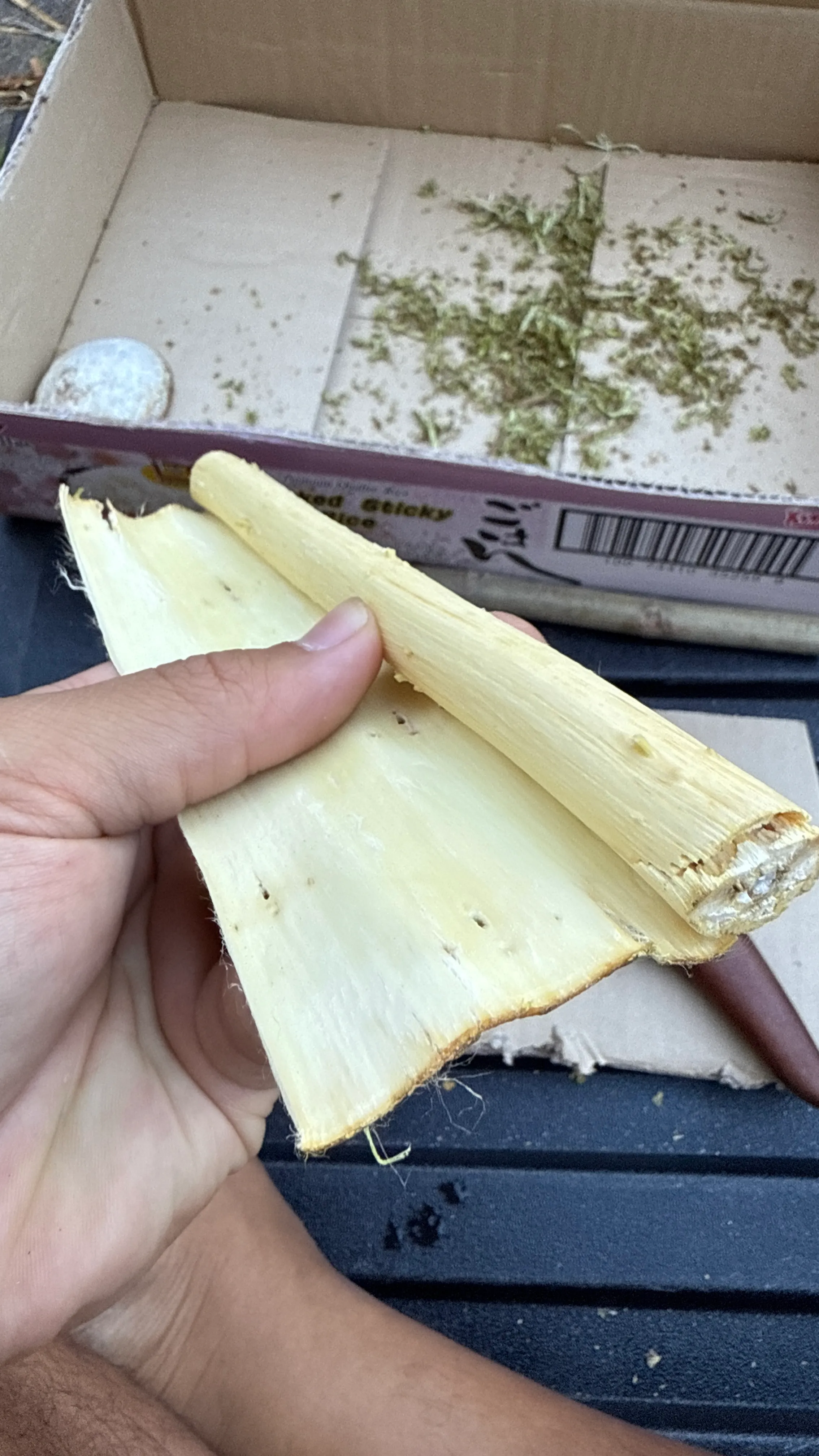
Kapa begins with the wauke plant, Broussonetia papyrifera, also known as paper mulberry, though māmaki (Pipturus albidus) and other native plants were also used for different grades and purposes. The inner bark of the wauke is harvested, soaked, and then beaten, first with a round beater (hohoa) to break down the fibers, then with a grooved beater (iʻe kuku) to thin and texture the material.
The process is not quick. It requires knowledge of when to harvest, how to prepare the material, how to read the bark's response to beating, and how to build sheets by felting layers together. A finished piece of kapa can take days of sustained work. Large pieces, ceremonial kapa, kapa used for specific purposes, can take considerably longer.
The knowledge embedded in the making
What distinguishes kapa-making from general textile production is not just the technical process but the knowledge system surrounding it. Kapa practitioners historically held deep understanding of native plant cultivation, the relationship between materials and seasons, the protocols that governed gathering, and the social and spiritual significance of different types of kapa.
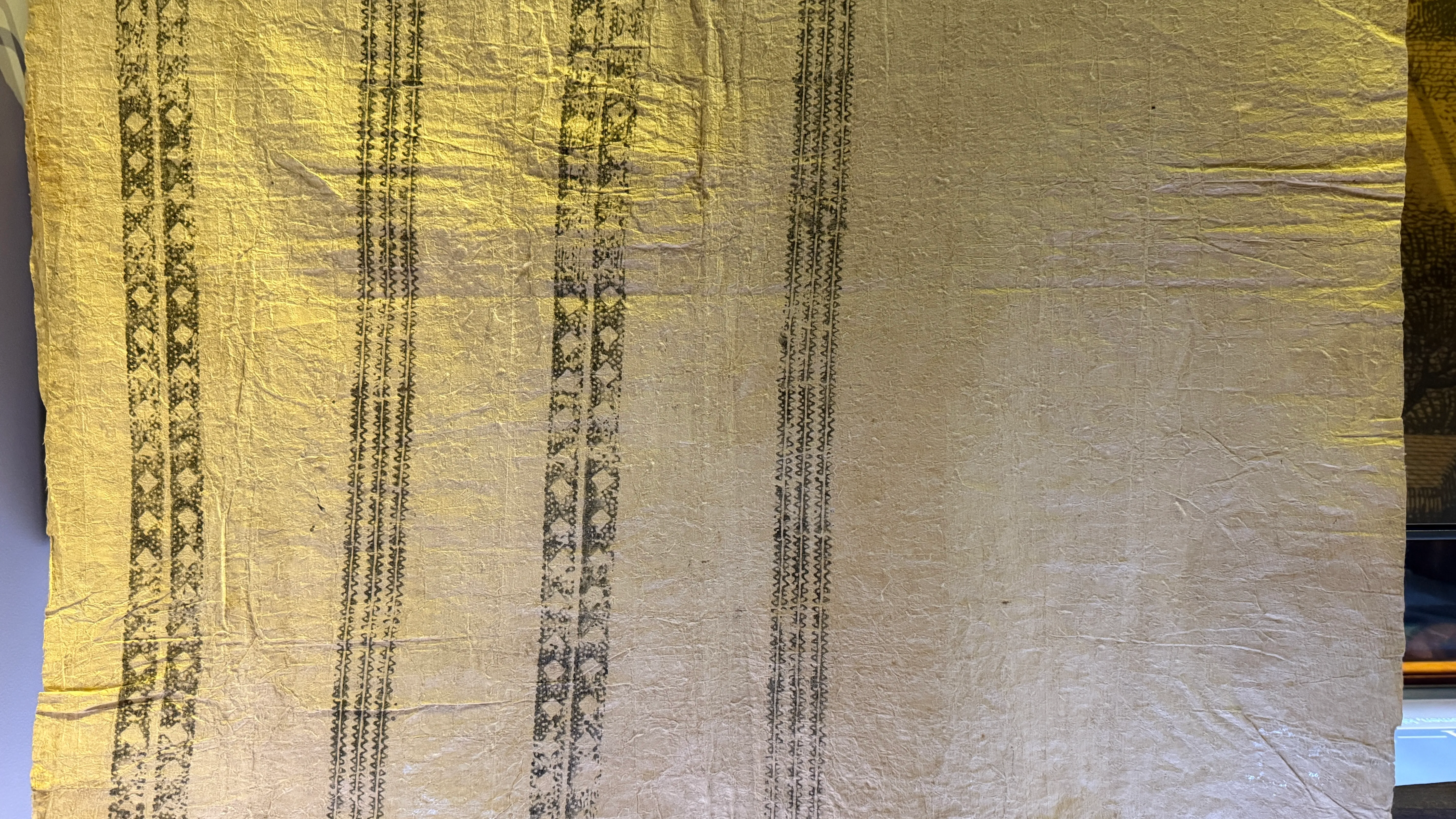
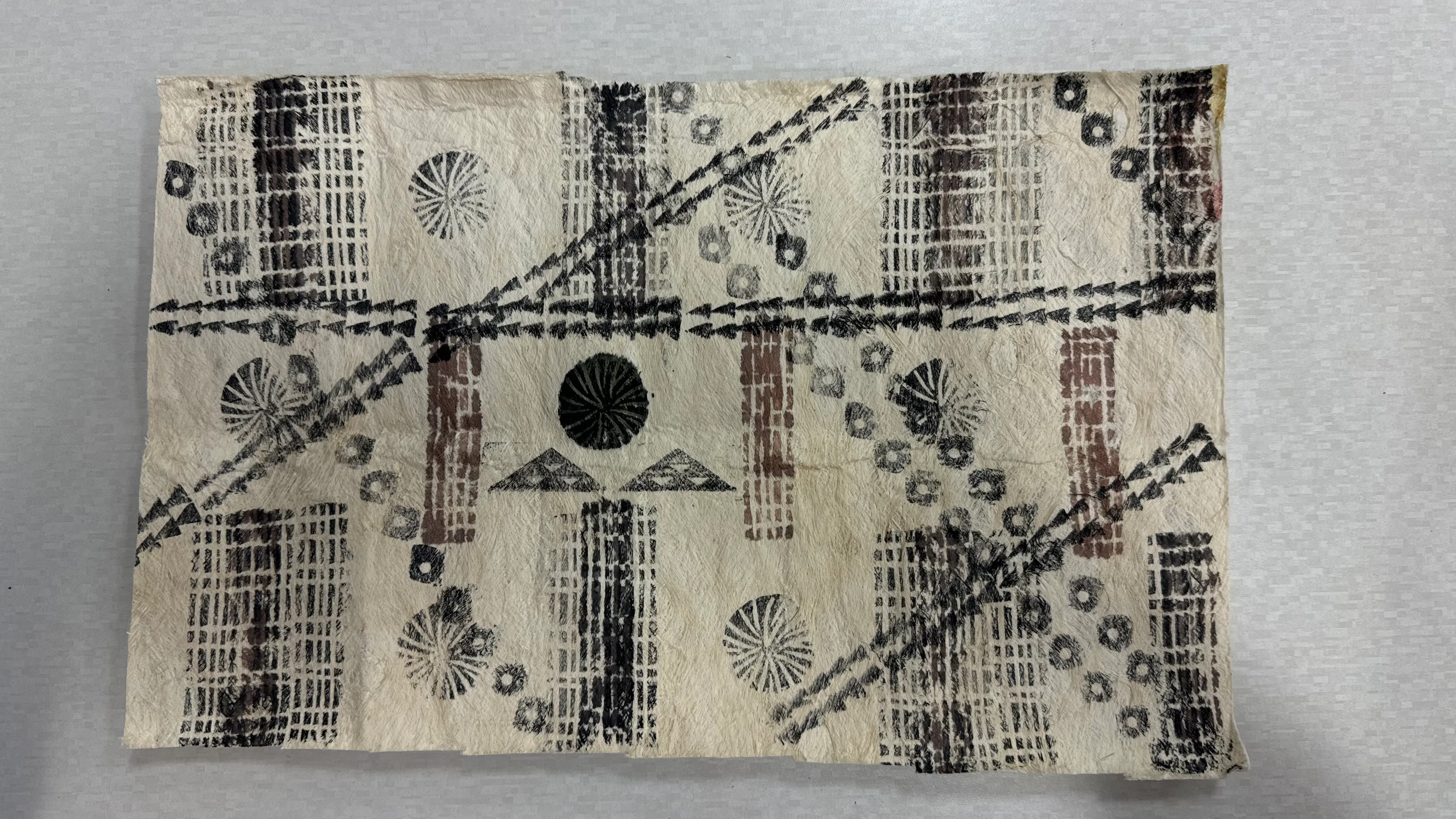
Different patterns, applied through carved printing tools called ohe kapala, carried specific meanings. Different weights and textures of kapa were appropriate for different uses, sleeping kapa, ceremonial wrapping, clothing for aliʻi. The practice was embedded in a web of relational knowledge that connected maker, material, community, and place.
Much of that knowledge was disrupted during the period of Western contact and colonization, when kapa-making declined sharply as imported textiles became available and cultural practices were suppressed. The 18th and early 19th centuries marked a particularly significant transitional period, when Hawaiian material culture underwent rapid and often traumatic change.
Revival, not recreation
Contemporary kapa-making in Hawaiʻi is not a recreation of something lost. It is a revival, ongoing, active, and growing, carried by practitioners who have done serious research, trained with knowledge holders, and committed to understanding the practice on its own terms rather than approximating it for aesthetic effect.
That work is rigorous. It involves engaging with historical collections, learning from kumu who hold lineage knowledge, experimenting with materials and techniques, and understanding the practice within its proper cultural context. It is scholarly and embodied at the same time, exactly the kind of work that hana noʻeau describes.
Revival also means adaptation. Kapa-making today exists in a world different from the one that originally shaped it. Practitioners navigate questions about materials, about cultural protocol, about what it means to share this knowledge in workshop and educational settings, and about the relationship between traditional knowledge and contemporary creative practice. These are not simple questions, and they deserve to be held carefully.
Why the word matters
Calling kapa "craft" is not just an aesthetic category error. It participates in a broader pattern of undervaluing indigenous knowledge systems, one in which Western frameworks determine what counts as serious, what counts as intellectual, what counts as art.
Kapa is a living practice with a deep intellectual and cultural history. It is art. It is research. It is a form of knowledge transmission. It is a relationship with the land, with the plant, with the people who made it before and the people who will make it after.
Understanding it that way is not just more accurate. It is more honest.