One of the most persistent divisions in Western creative culture is the one between thinking and making. The artist or designer who conceives is elevated; the craftsperson who executes is subordinate. The idea is what matters; the material form it takes is secondary.
Hana noʻeau refuses this division.
In Hawaiian, hana means work, but not in the reduced sense of labor. Hana is purposeful, generative activity. Noʻeau means skilled, clever, expert. Together, hana noʻeau describes work that is done with a kind of intelligence that lives in the hands as much as in the mind, work where thinking and making are not sequential activities but simultaneous ones.
Hana noʻeau describes work done with a kind of intelligence that lives in the hands as much as in the mind.
Why the division matters
The split between concept and execution is not just an aesthetic preference. It has real consequences for how creative work is valued, who gets credited for it, and what kinds of knowledge are considered legitimate.
When making is understood as merely the execution of an idea, the knowledge embedded in material practice, the knowledge of how materials behave, of what is possible and what isn't, of the relationship between process and outcome, is rendered invisible. It becomes "technique" rather than thinking. Skill rather than intelligence.
This undervaluation affects how practitioners are compensated, whose expertise is sought in collaborative processes, and what gets called art versus craft versus design. It also tends to produce worse work, because when the maker is separated from the thinker, the feedback loop that shapes good making is broken.
Hana noʻeau in the kapa practice
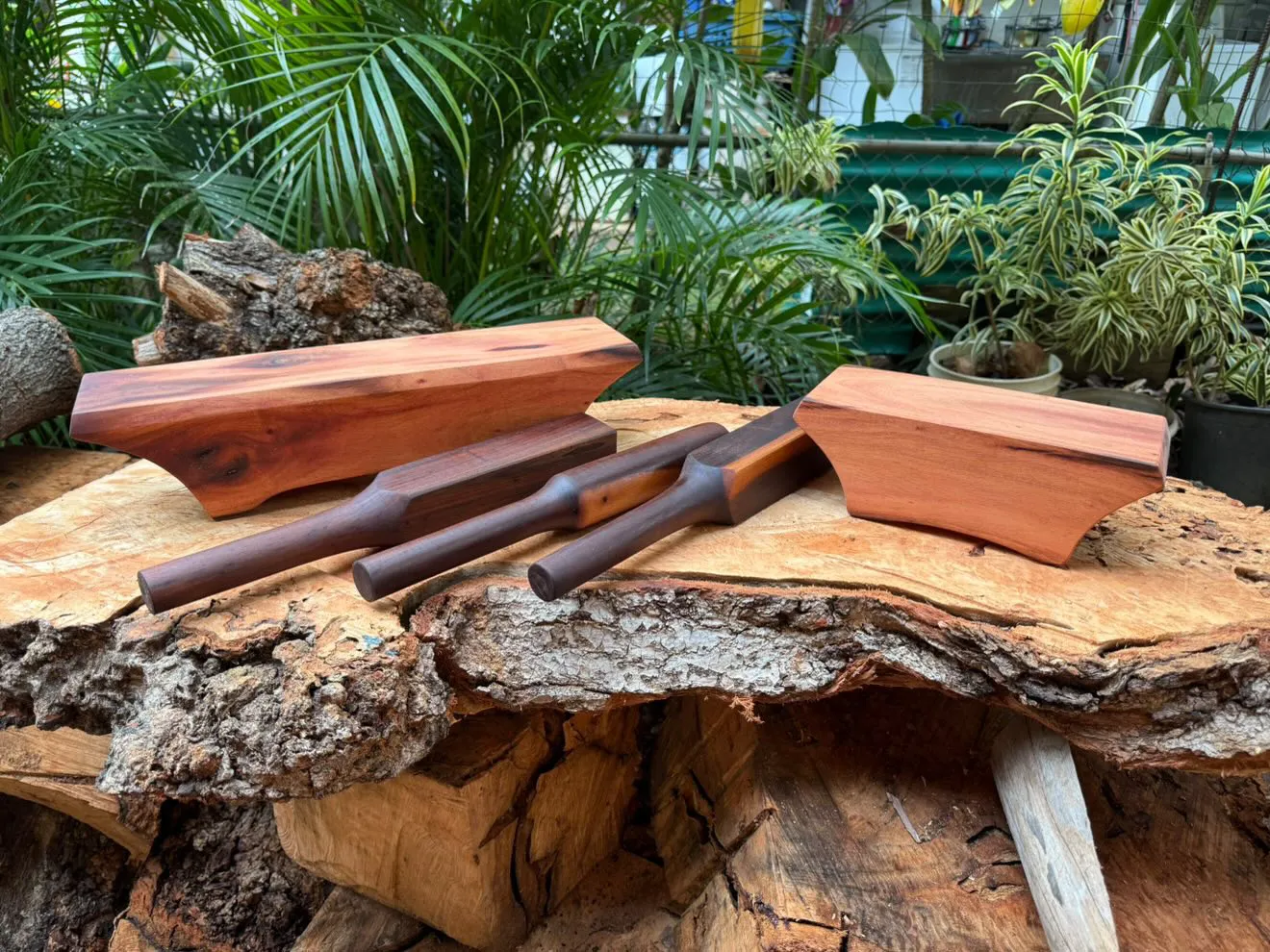
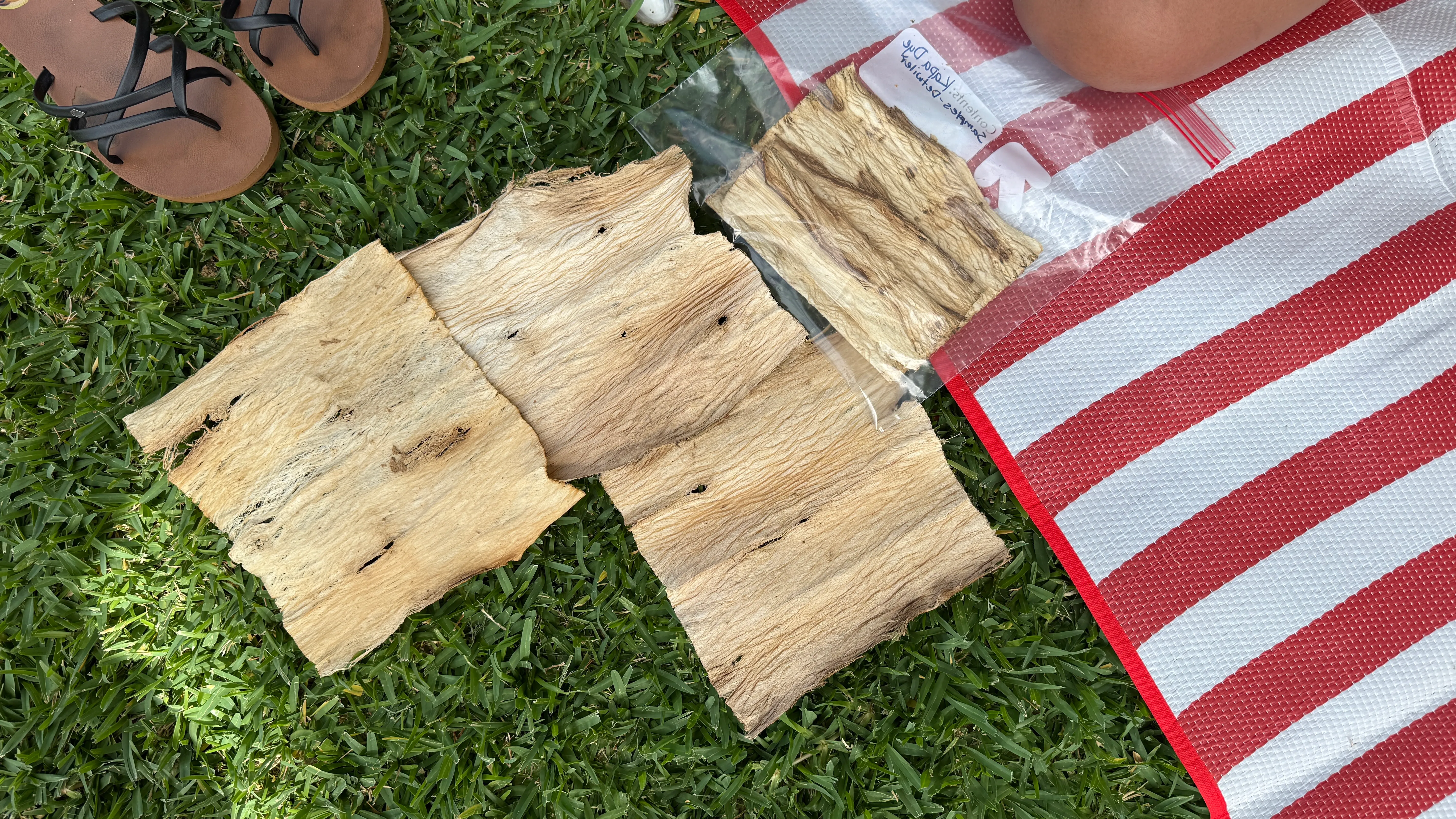
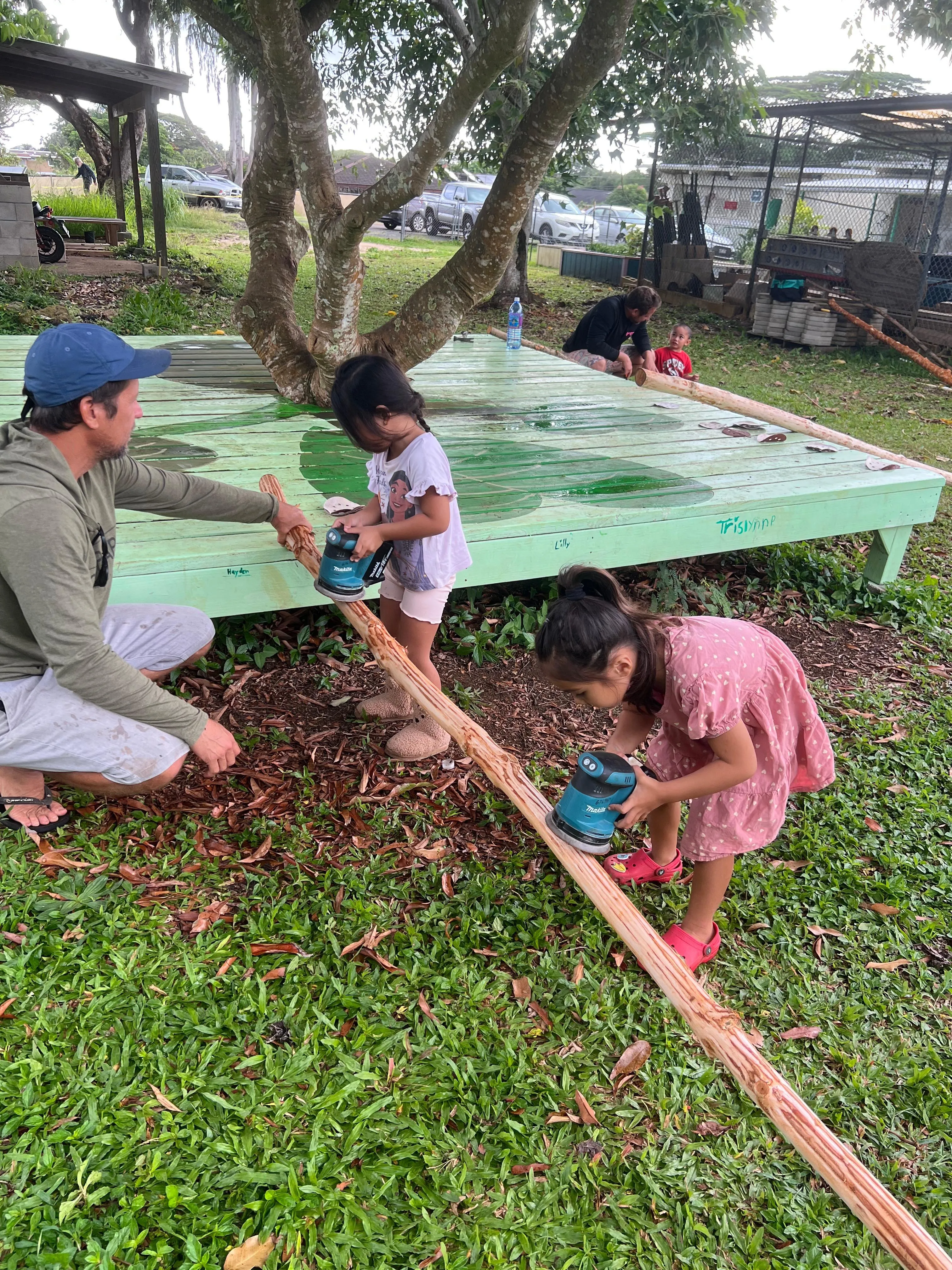
In kapa-making, the integration of thinking and making is not abstract. Every stage of the process involves reading and responding, reading the material's readiness, adjusting technique based on what the bark is telling you, making decisions that are improvisational and knowledge-based simultaneously. You cannot beat good kapa without understanding what good kapa feels like under the beater. That understanding is embodied. It is hana noʻeau.
The same is true of the design process at its best. A designer who is deeply familiar with the materials of their practice, typography, color, layout, screen behavior, works differently from one who is not. The knowledge is not just technical. It is responsive. It allows for decisions that theory alone cannot generate.
Refusing the hierarchy
What hana noʻeau offers, as a framework, is a refusal to rank these kinds of knowledge against each other. Conceptual thinking is valuable. Material skill is valuable. The integration of the two is where the most interesting work happens.
This has implications for how the studio approaches collaboration, facilitation, and education. In workshop settings, the goal is not to teach a technique that people then apply to a pre-existing concept. It is to create conditions where the practice of making generates insight, where the act of working with material opens up thinking that would not have arrived any other way.
That is what hana noʻeau describes. Work that thinks. Making that knows.