Extraction is the dominant logic of most creative industries. The designer extracts insight from users. The artist extracts inspiration from culture. The creative director extracts value from a community's visual identity and repackages it for a broader market. The whole system is oriented around taking something from somewhere and turning it into something else, usually something with a higher exchange value.
An ecological creative practice starts from a different logic: reciprocity. The question is not what can be extracted, but what can be given back.
An ecological creative practice starts from a different logic: reciprocity. The question is not what can be extracted, but what can be given back.
What ecological means here
Ecological does not just mean environmentally conscious, though that is part of it. In the context of creative practice, ecological means understanding the studio as embedded in a set of relationships, with materials, with community, with land, with cultural knowledge, and taking responsibility for how those relationships are maintained.
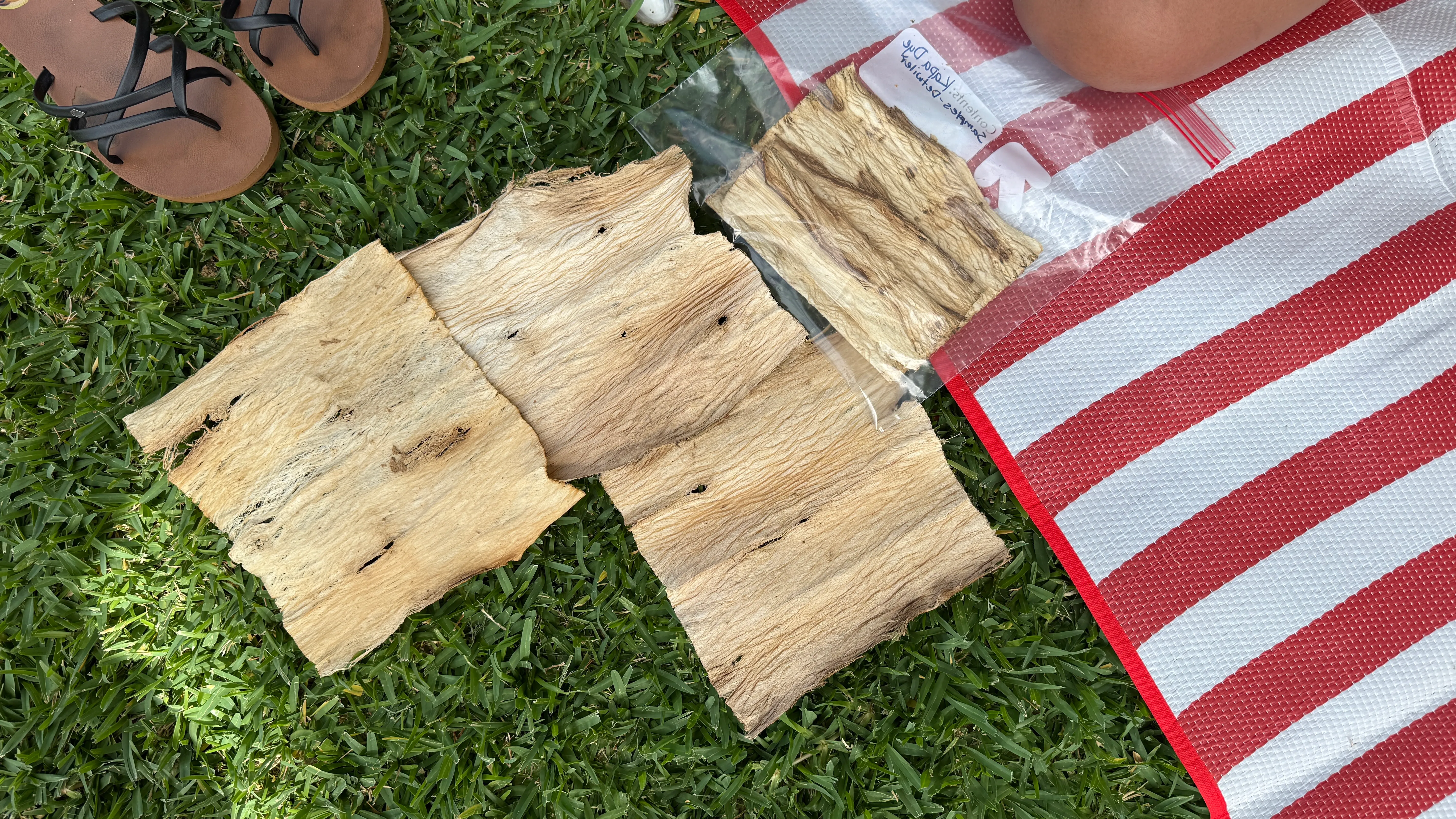
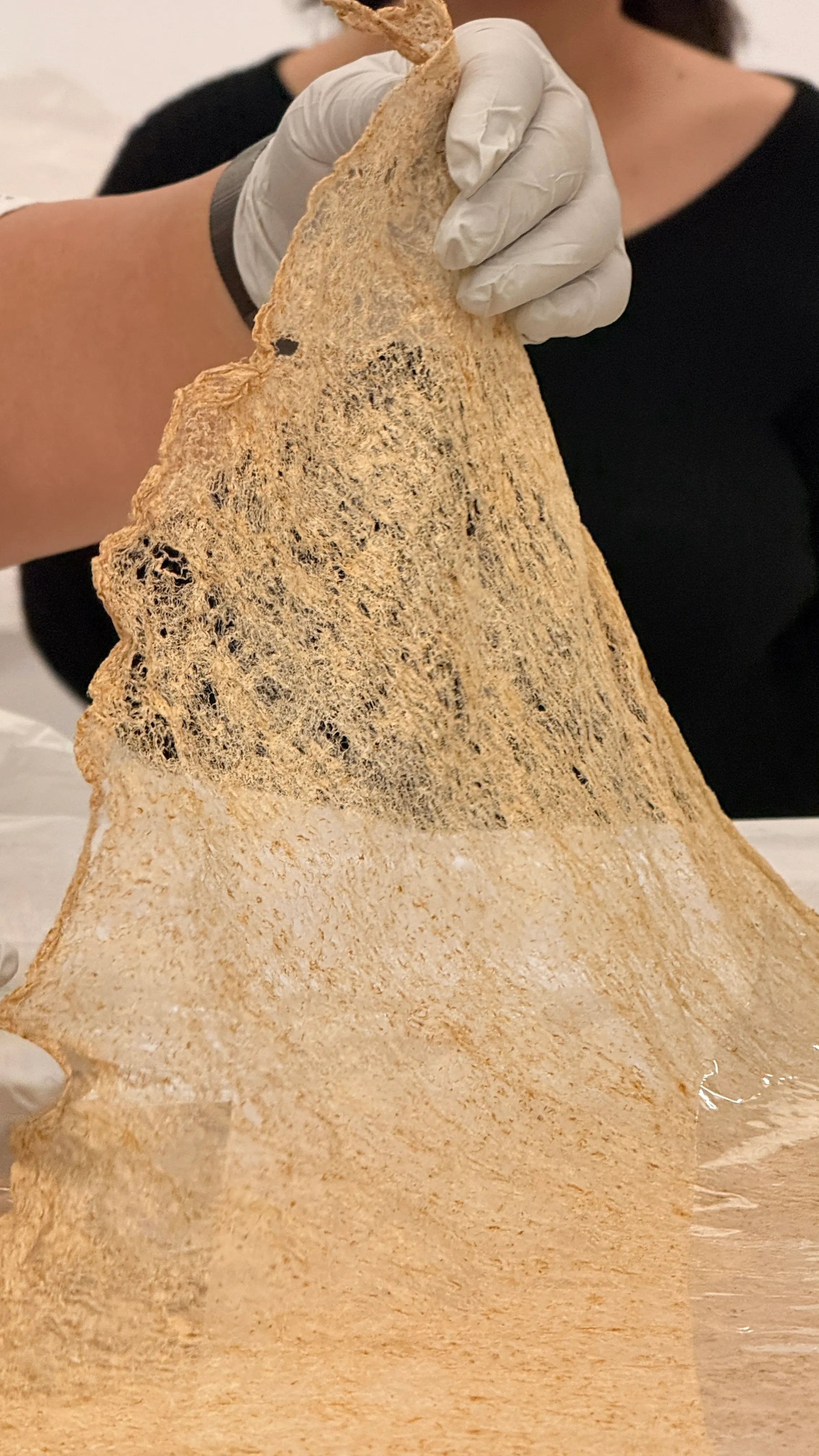
In kapa-making, this is concrete. Wauke does not appear from nowhere. It requires cultivation, harvesting knowledge, and an understanding of how to take from a plant in a way that allows it to continue growing. The material practice itself teaches reciprocity. You cannot beat good kapa out of a plant you have not cared for. The making is inseparable from the tending.
Extraction in design
In design practice, extraction often looks more subtle. It looks like taking visual motifs from a culture without understanding their meaning. It looks like designing for a community without consulting them. It looks like using the aesthetic markers of a place, its colors, its patterns, its material textures, to add appeal to work that ultimately serves an outside audience.
This is not always malicious. It is often the default setting of a practice that has not been asked to examine its assumptions. The logic of extraction is so deeply embedded in how creative work is valued and compensated that it requires deliberate effort to operate differently.

What reciprocity looks like in practice
Reciprocity in creative practice means building in accountability to the communities and places whose knowledge and culture the work draws from. It means making sure that design work for Hawaiian communities actually serves those communities, not as a secondary benefit, but as the primary purpose. It means being willing to slow down, to share credit, to give back work without always requiring commercial return.
It also means being honest about the limits of what one practice can do. A single studio cannot fix the extractive dynamics of the creative industries. But it can be consistent about its own commitments, about what kinds of projects it takes on, what relationships it builds, and what it refuses.
The ecological dimension of materials
For the studio's art practice, the ecological dimension is also literal. The materials used in kapa-making, wauke, natural dyes, the tools themselves, are embedded in ecological relationships. Choosing to work with these materials, to understand them, to cultivate what needs to be cultivated and harvest carefully, is itself a form of practice that runs counter to the disposability logic of most commercial materials.
This does not mean rejecting contemporary materials wholesale. Acrylic paint, digital tools, commercial printing all have their place. But they are held within a framework that asks: what is the relationship here? What is being taken, and what is being given back? That question, asked consistently, shapes everything.