
Art · Installation · Acrylic
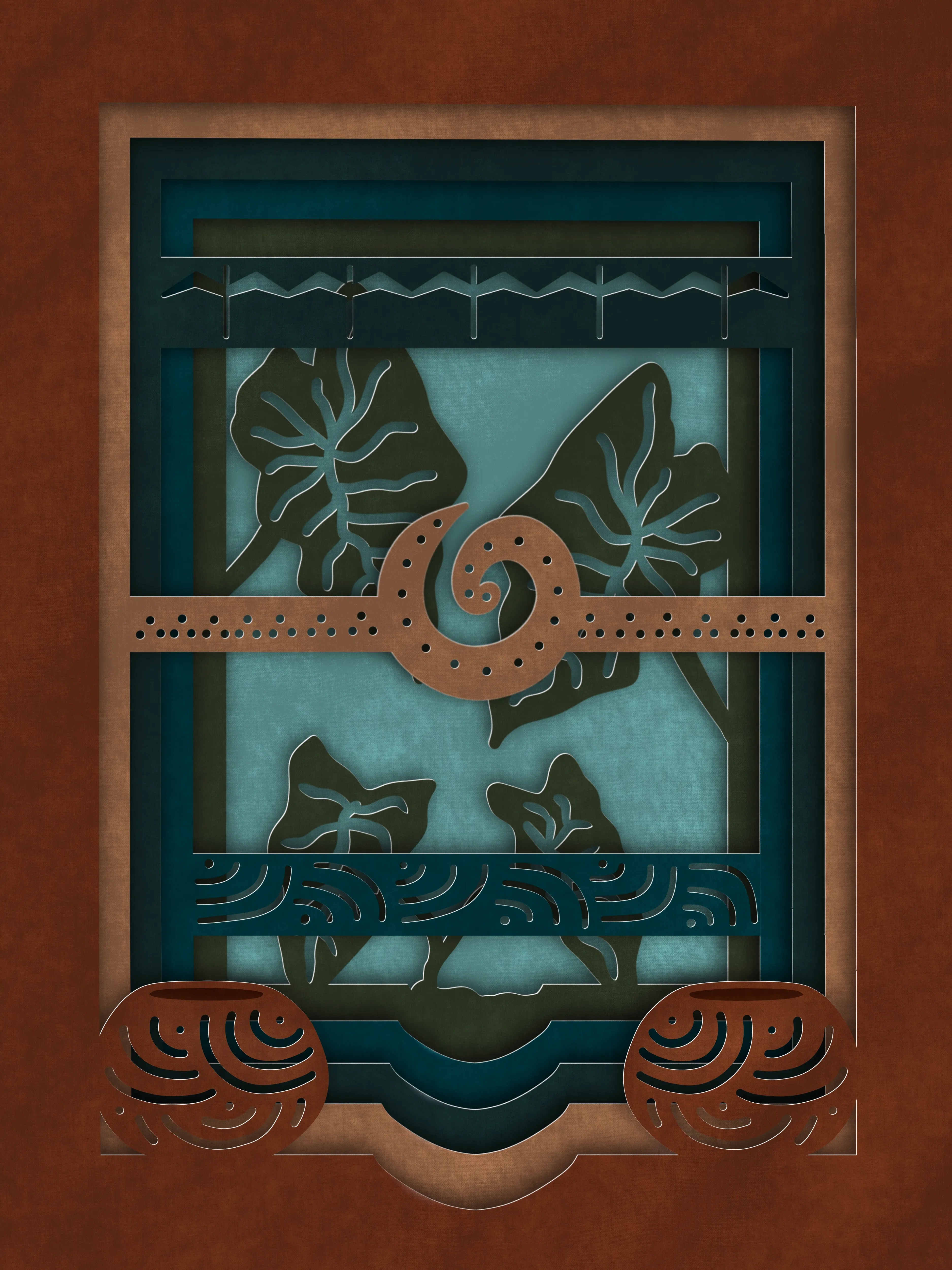
Kiʻi o ka Hana: Imaging the Work of Making
The Practice
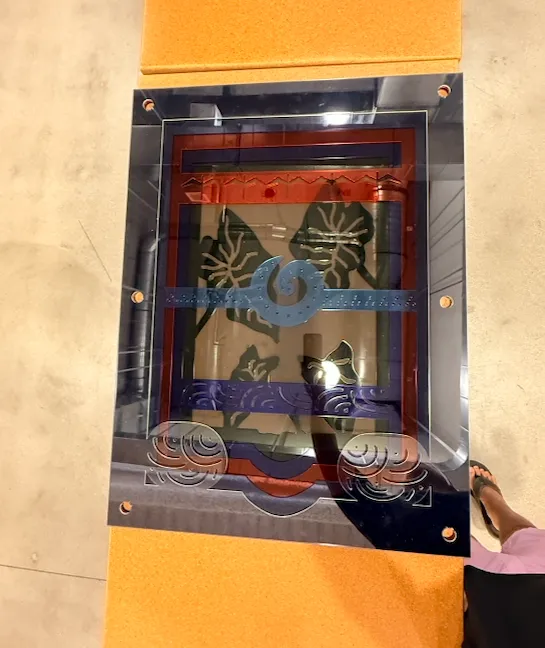
Kiʻi o ka Hana, imaging the work of making, is a multi-layered acrylic installation exploring intergenerational knowledge transmission in ʻŌiwi culture. Depth, light, and material work together to hold what cannot be spoken: the bonds between generations, land, and healing. The piece received first place in its competition and is permanently installed in a hospital in Hawaiʻi, a space of family, of waiting, of the in-between moments when people look for something to hold onto.
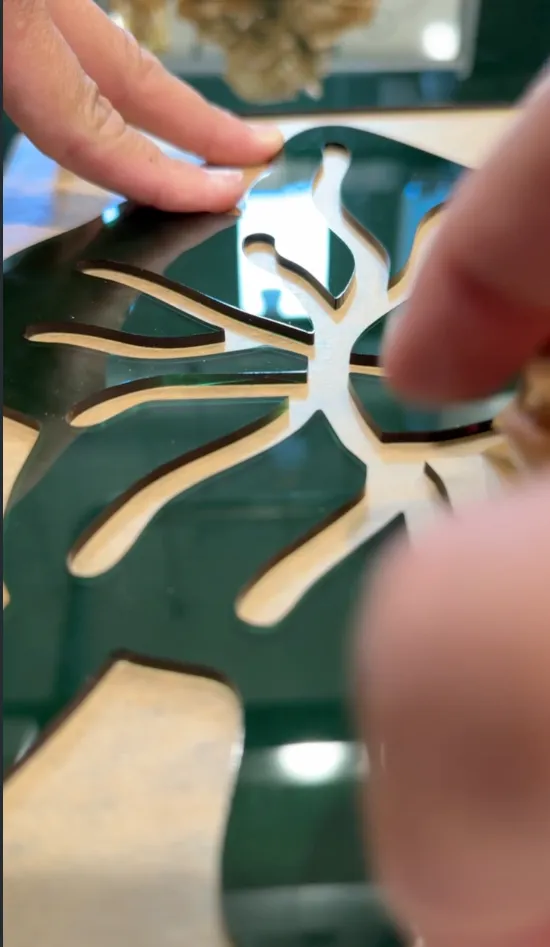
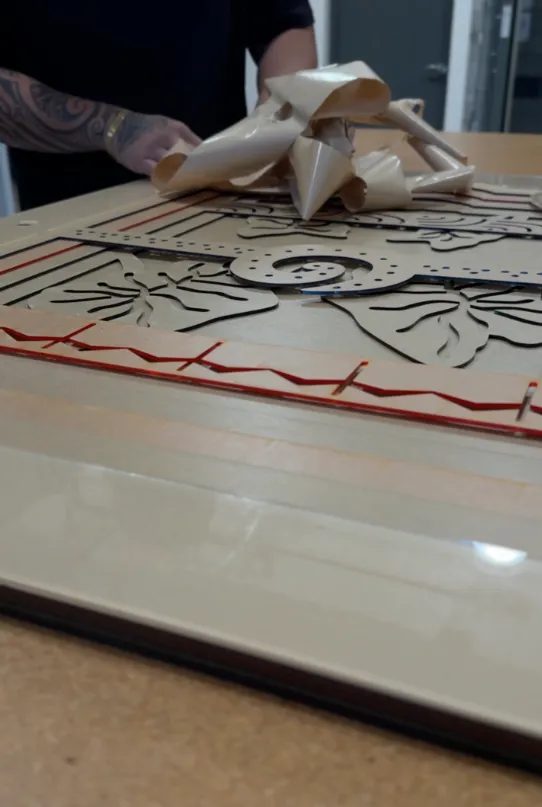
Layered acrylic is not an arbitrary material choice. The layers create depth, you see through one surface into another, the way you see through generations. What you are looking at depends on the angle, the light, the distance you stand. The work makes visible what ʻŌiwi knowledge has always held: that what is transmitted between generations is not a flat transfer of information but a layered, living thing, present at the surface and deeper than you can fully see.
Materials & Process
Depth in the Material
Acrylic layers let light pass through one image into the next, so the piece offers different readings depending on where you stand and how the light falls.
Two Voices, One Knowing
A bilingual written component in ʻŌlelo Hawaiʻi and English runs in parallel. Neither translates the other, the ʻŌlelo is its own voice, the English is what reaches across. Together they hold more than either alone.
Placed Where It Is Needed
Sited in a hospital rather than a gallery, the work does not demand attention, it offers presence, to people who arrive already open, already in need.
Meaning · Moʻolelo
Kiʻi o ka Hana makes the restoration of intergenerational relationship visible. The acrylic layers are the argument: that what was passed down exists at depth, that it cannot be fully seen from any single angle, that it asks for presence and patience to be received. Placed in a place of healing, it makes explicit what the rest of my work implies, that reconnection to land, culture, and self is not only a cultural act but a healing one. A hospital chose to keep this work, and it is doing its work there now.
The Piece
Ka Moʻolelo Kākau · The Written Piece
A written component runs in parallel with the installation, in ʻŌlelo Hawaiʻi and English. Neither translates the other: the ʻŌlelo is its own voice, the English is what reaches across.
Hoʻomaka ka hakuhia i ka kahi e noho ai ka mea pāheona. Makili mai ka mālamalama kakahiaka ma nā puka aniani, a ili nā aka ʻāhiehie e wehe ai i ke ala o ka ʻike ʻōiwi kuʻuna mai kekahi hanauna a i kekahi hanauna. Puka mai nā manaʻo kumu i nā kaha kiʻi. Noʻonoʻo aʻela au i nā pilina hohonu i waena o nā hana ʻōiwi a me nā pilina.
The creative process begins in the space where the piece will eventually reside. Morning light filters through the windows, casting gentle shadows that evoke the way ʻōiwi knowledge passes from one generation to the next. Preliminary ideas emerge through sketches as I contemplate the deep connections between ʻōiwi practices and bonds.
E komo ana i nā kaha kiʻi mua ke au nui me ke au iki o ka manaʻo. Hōʻike ʻia nā kaha poepoe i ka kaʻa mau ʻana o ka ʻike ʻōiwi a hoʻoili ʻia ana i nā hanauna. Hoʻokaʻa ʻia i kēlā me kēia kaha nā moʻolelo o nā kūpuna, e kahe ana ko lākou naʻauao i ka pepa. Māhuahua akula nā kaha poepoe, e like me nā pilina pili i loko o nā ʻohana a me nā kaiāulu.
The initial sketches focus on capturing the essence of movement and flow. Circular forms represent the continuous cycle of ʻōiwi knowledge being passed down through generations. Each line channels the stories of kūpuna, their wisdom flowing onto the paper. The circular patterns naturally begin to overlap and multiply, much like the interconnected relationships within families and communities.
A hua aʻe nei ka manaʻo, ulu maila a kū mai nā hoʻokolokolo kala. Hoʻohanohano ka papa wai i ka ʻāina—ka ʻula wela o ka lepo, ka maʻo lipolipo o nā mea kanu, a me ka uliuli e hoʻomanaʻo ana i ka wai kahe. Koho pono ʻia kēlā me kēia kala a hōʻike ana i nā ʻaoʻao like ʻole o nā hana ʻōiwi a me nā kumumea kūlohelohe e kākoʻo ana iā lākou.
As the concept develops, color studies begin to take shape. The palette honors ʻāina—warm browns of the earth, deep greens of plants, and blues reminiscent of flowing water. Each color is chosen with intention, representing different aspects of ʻōiwi practices and the natural elements that support them.
Māhuahua akula a hua pono maila. Kui pū ʻia nā ʻāpana like ʻole a me nā hōʻailona e hoʻokīpapa ana i nā papa hohonu o nā hanauna he nui i pili i ka ʻike ʻōiwi. Hoʻomālamalama kēlā me kēia papa i nā papa hanauna kupuna o mua, e hōʻike ana i ke ʻano mau o ka ʻike kahiko i loko o nā hana o kēia au nei.
The composition takes shape on a larger scale. Different elements and symbols layer together, building depth that represents the many generations involved in ʻōiwi knowledge. Each layer reflects the ones before it, showing how ancient knowledge remains visible and relevant in contemporary practices.
Lilo ia mea pāheona i mea noʻonoʻo kū hohonu, me kēlā me kēia papa e hoʻāla ana i nā manaʻo kūkā ʻana ma waena o nā kūpuna a me nā moʻopuna, nā akua a me nā kānaka, a me ka ikaika o nā pilina moʻomeheu.
The piece becomes a meditative practice, with each layer evoking conversations between grandparents and grandchildren, akua and kānaka, and the strength of cultural bonds.
ʻO ka hopena ka hoʻoponopono ʻana i ka pono kaulike ma waena o nā hōʻailona kahiko a me ka hōʻike manaʻo maʻemaʻe o kēia au. Ahuwale maila nā hunahuna ʻike i ke au o ka manawa, e like me ke ʻano o ka ʻike hohonu o nā hana ʻōiwi e wehewehe ana i loko o nā makahiki o ke aʻo ʻana.
The final stages involve refining the balance between traditional symbolism and contemporary abstract expression. Subtle details emerge that reveal themselves over time, much like how deeper understanding of ʻōiwi practices unfolds gradually through years of learning and practice.
Hua maila ua kiʻi pāheona nei i ke aka ka "Pili ʻOhana"—ke ʻano pili o ke kūlana ʻōiwi, nā hana, a me nā manaʻo. Kū ke kiʻi ma mua o ke ʻano he hōʻailona ʻike maka wale nō; he hōʻoia ia i ka ikaika mau o nā hana ʻōiwi a me ko lākou kuleana koʻikoʻi i ka mālama ʻana i ke ola pono o ka lāhui.
The completed piece captures the essence of "Pili ʻOhana"—the interconnected nature of ʻōiwi culture, practices, and perspectives. The artwork stands as more than just a visual representation; it's a testament to the enduring strength of ʻōiwi traditions and their vital role in maintaining community wellbeing.
Ma o nā ʻano maʻemaʻe a me ka hoʻonohonoho naʻauao ʻana, he hōʻailona nō ia hana e pili ana i ka nani nōhihi o ka lawe ʻana i ka ʻike mai kekahi hanauna i kekahi hanauna a me nā pilina hemo ʻole e paʻa ai nā ʻohana a me nā kaiāulu i ka huakaʻi hoʻōla mauli.
Through abstract forms and thoughtful composition, it speaks to the beautiful complexity of intergenerational knowledge transfer and the unbreakable bonds that hold families and communities together in the journey of internal healing.
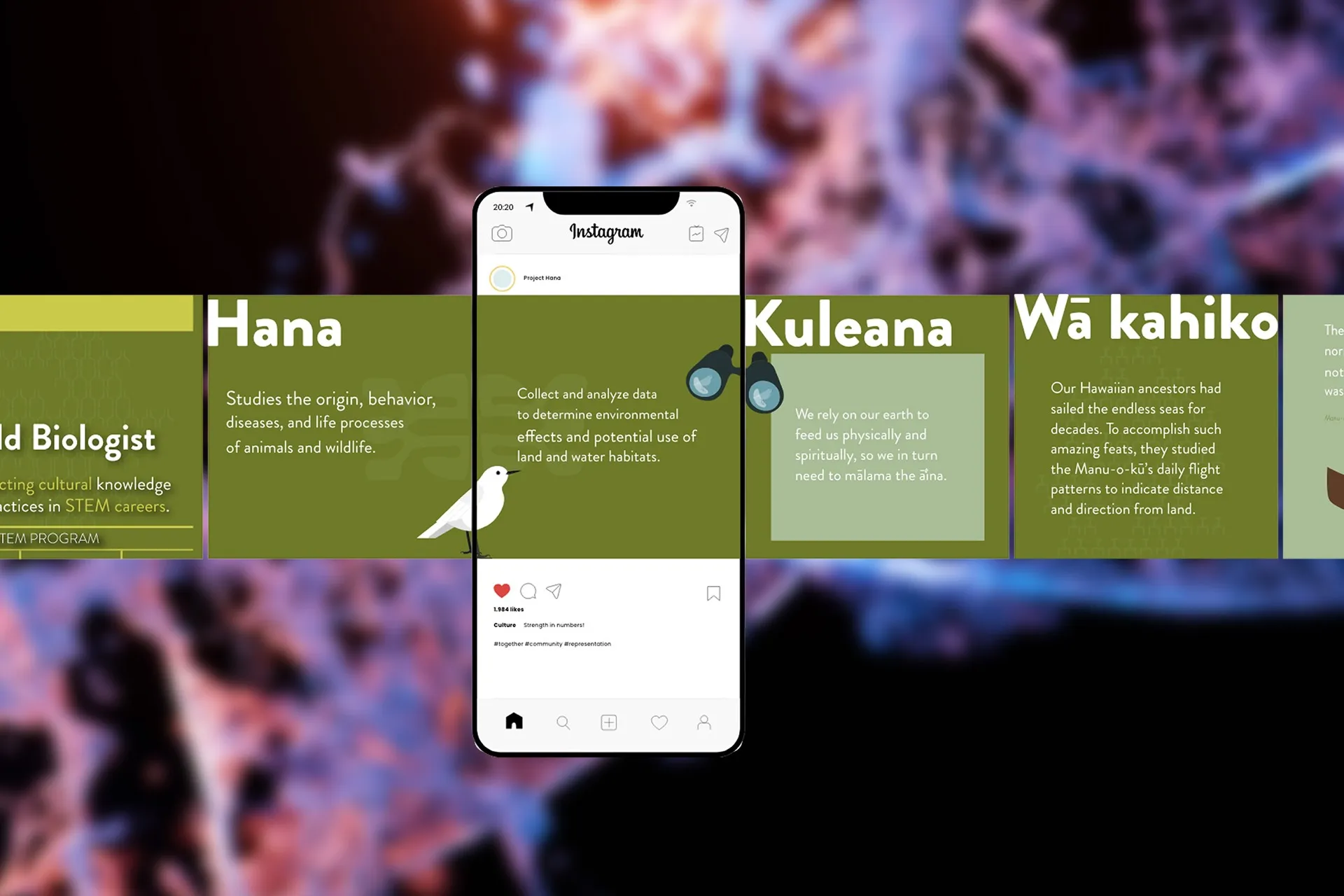
Hana: Bridging Culture & STEM Professions
Representation of Cultural Practices and Traditions Through Design and Media
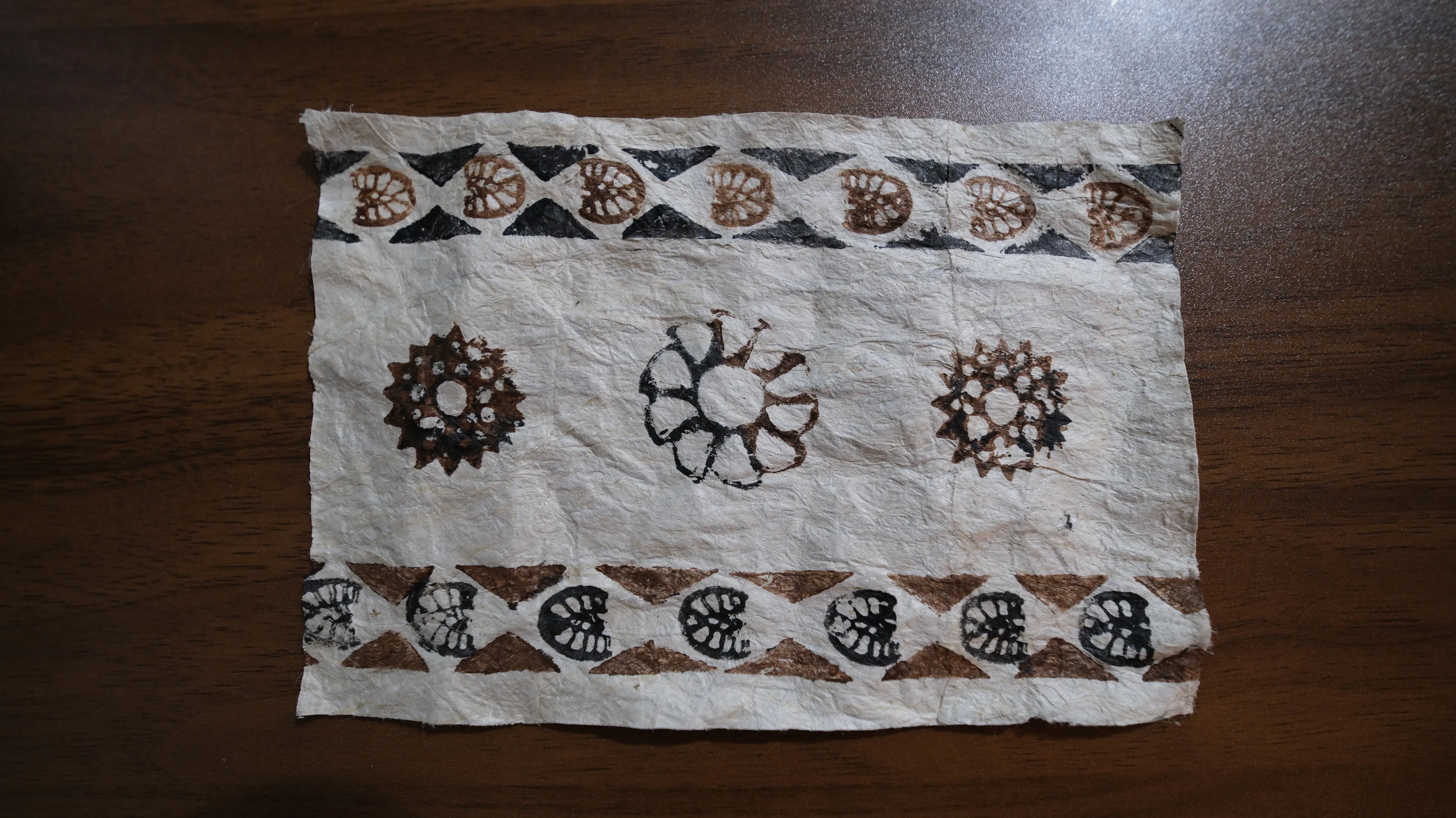
Eras of Kapa: The Impact of Metal Tools
Beating cloth across three eras to feel how tools shape design.
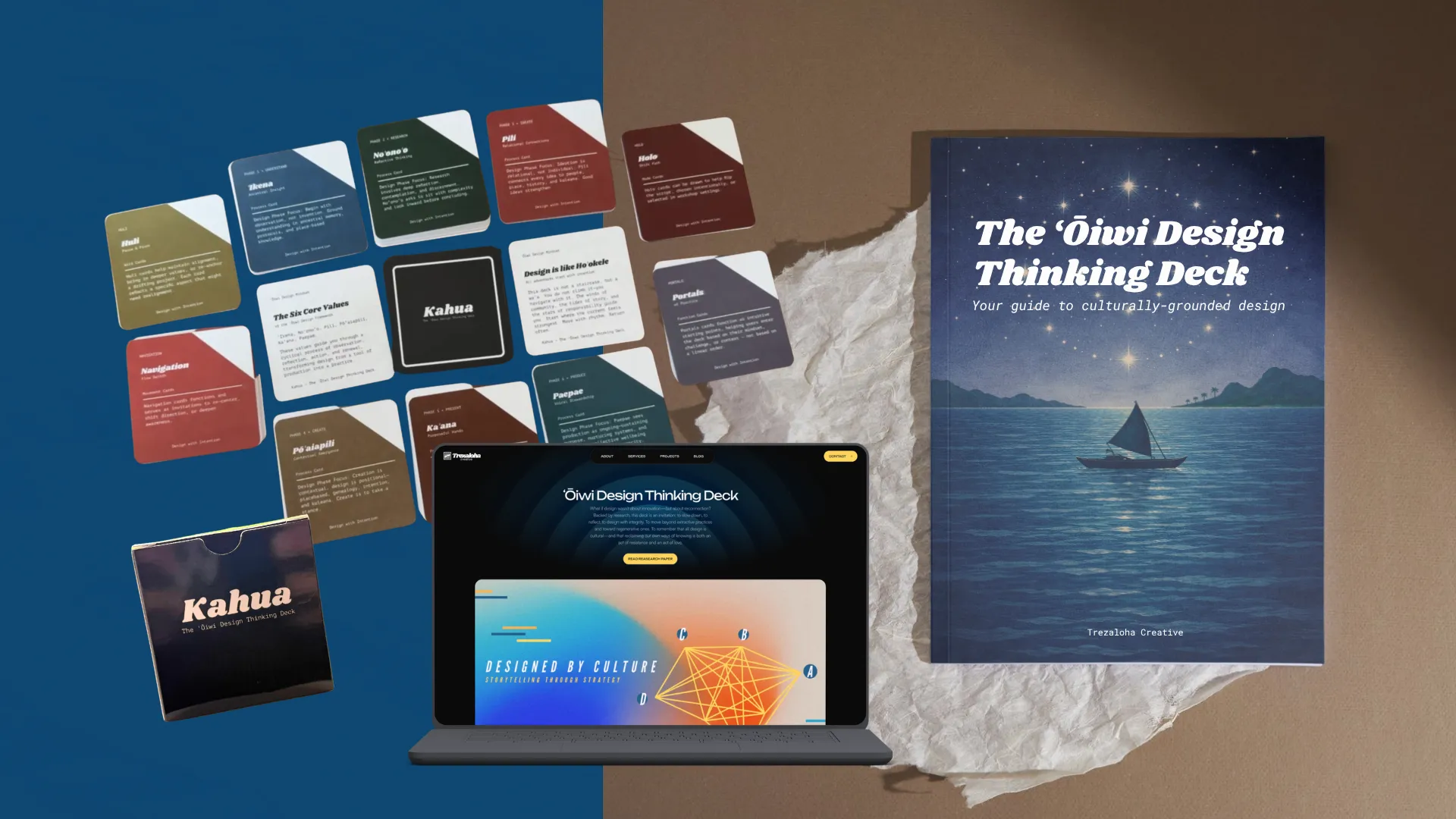
Kahua: An ʻŌiwi Design Thinking Card Deck
A design tool that redesigns how you use design tools.