
Art · Hawaiian Kapa · Research
Eras of Kapa: The Impact of Metal Tools
The Practice
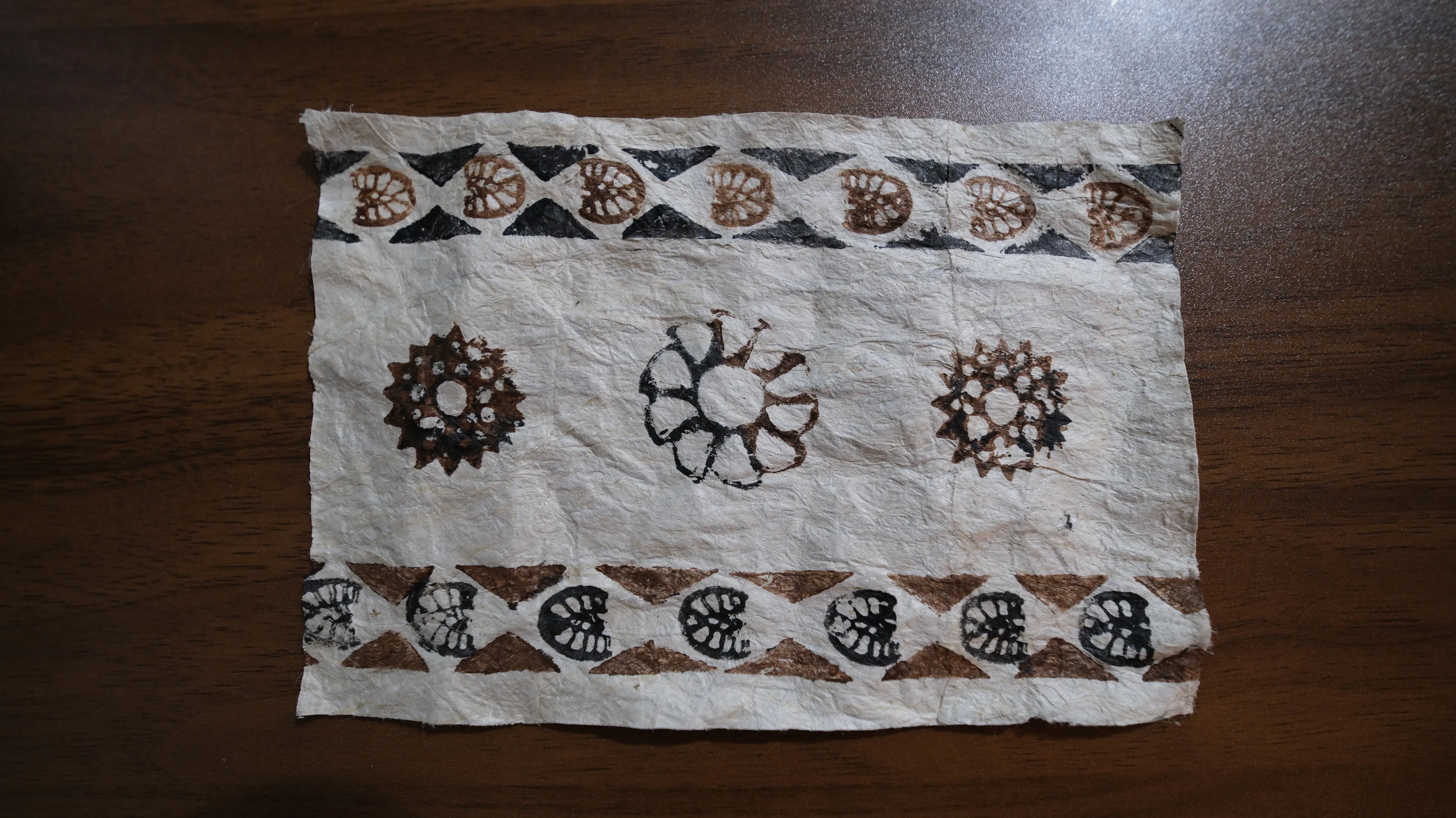
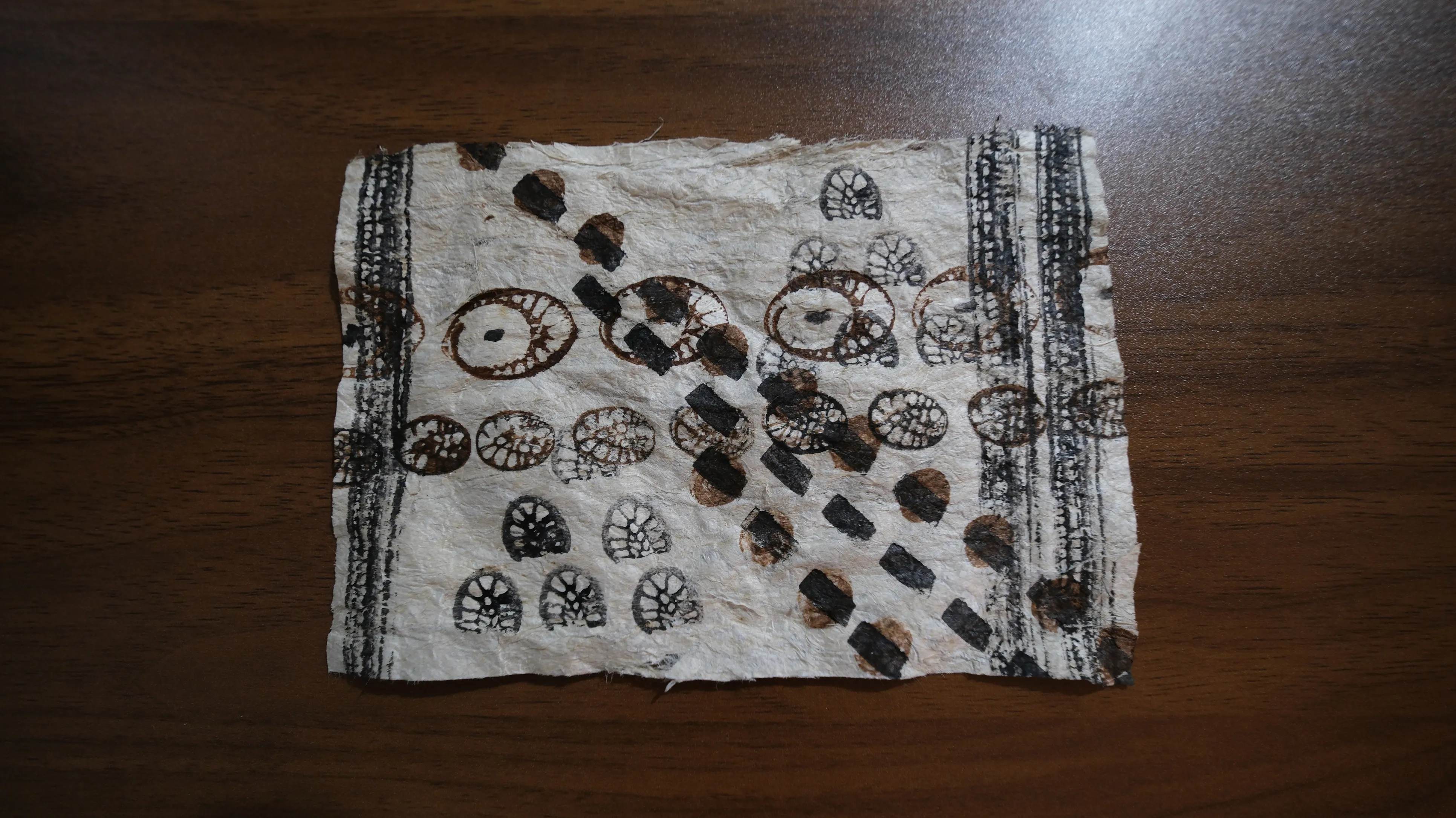
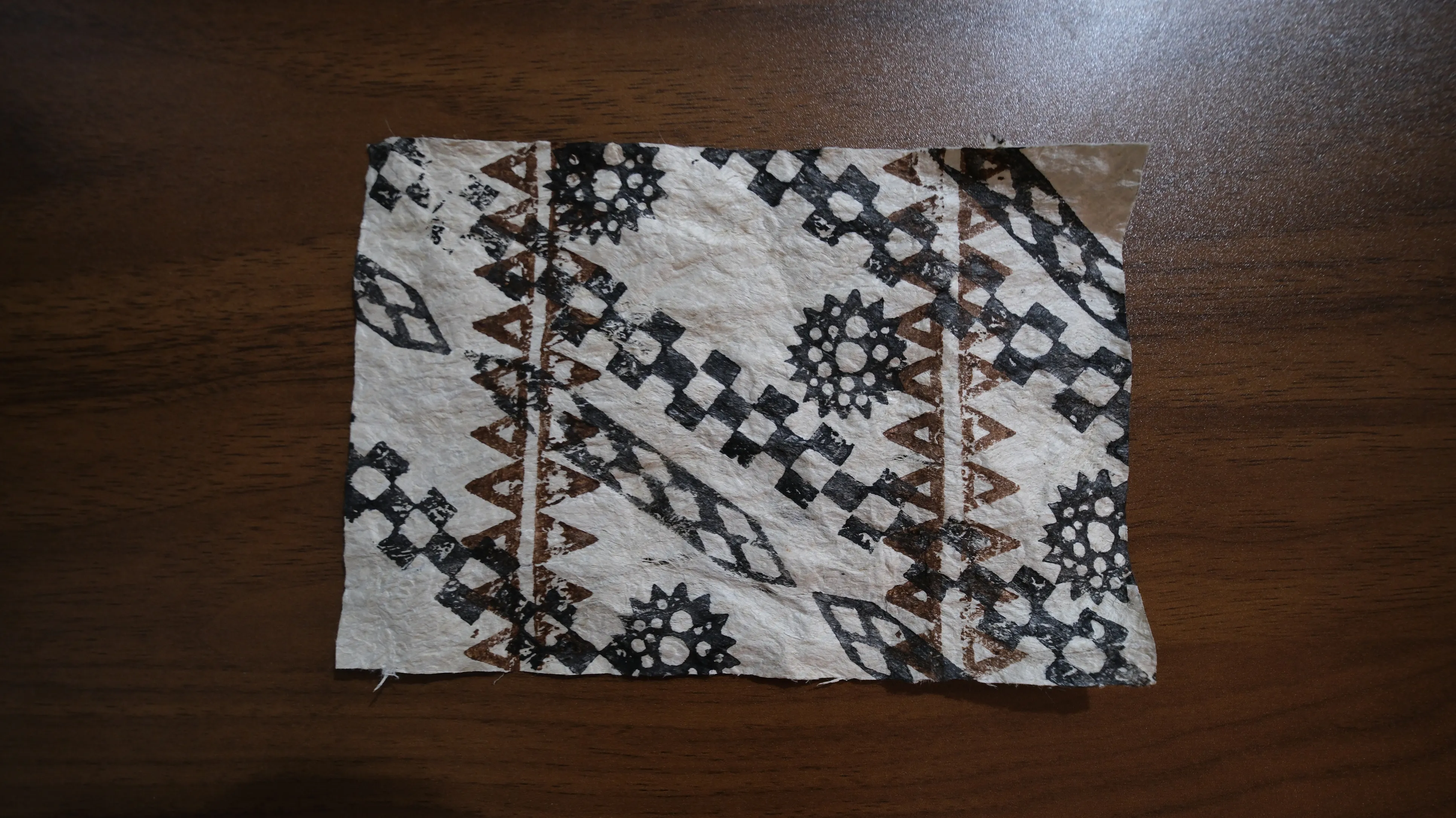
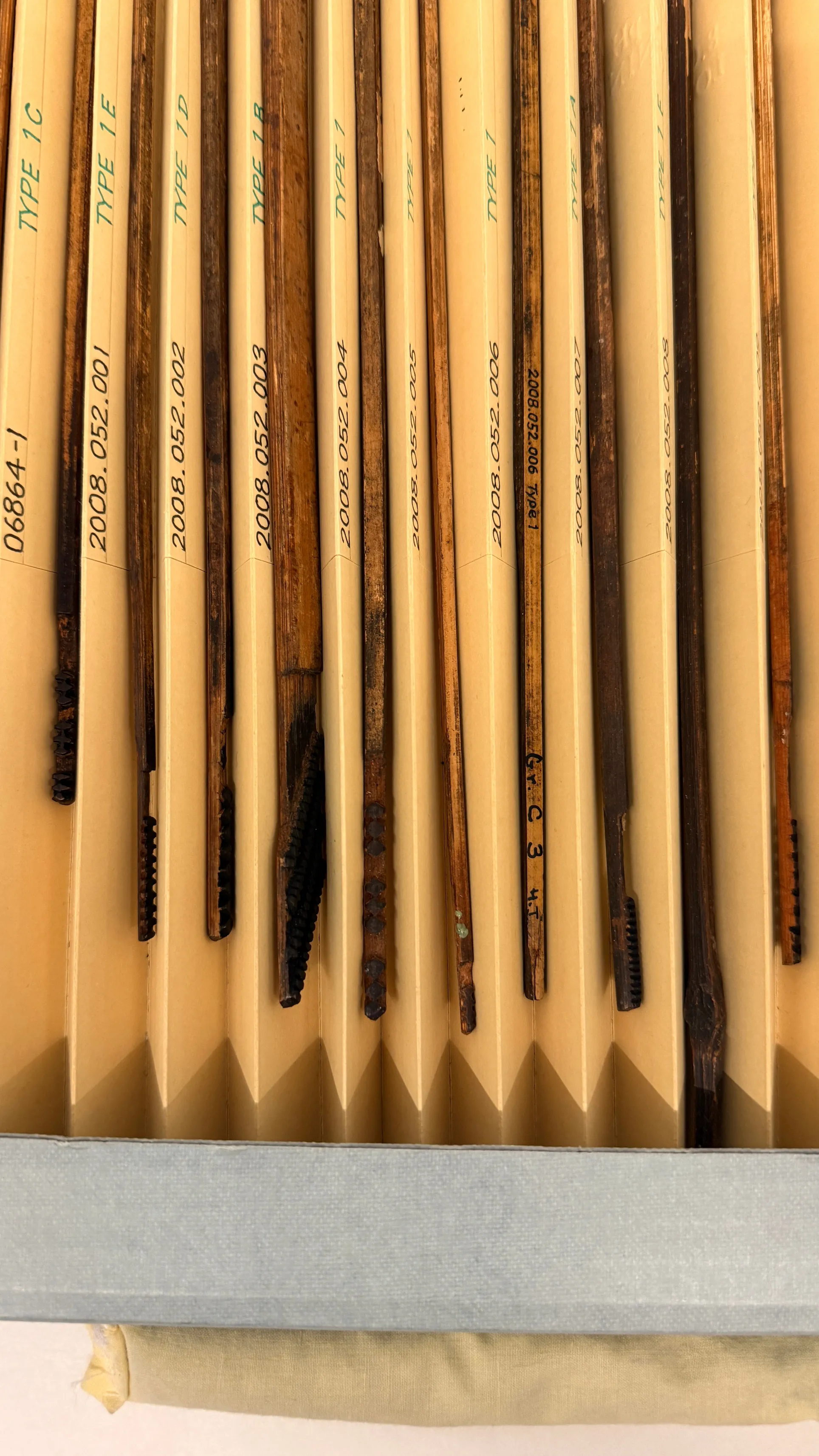
Kapa is Hawaiian barkcloth, made by hand from the inner bark of the wauke (paper mulberry). This is practice-based research: three kapa pieces, each made under the tool constraints of a different era, asking how the arrival of metal tools in Hawaiʻi reshaped the craft. The hypothesis, developed with advisors Dr. Ross Cordy and Kumu Dalani Tanahy, is that iron tools enhanced precision in carving and expanded the design complexity of ʻohe kāpala (carved bamboo stamps), a real evolution in a traditional practice.
Producing these pieces was a methodological choice, not only a craft exercise. Each was made under a deliberate constraint: only tools and techniques plausible within its historical era were allowed. The limitations were not obstacles, they were the point. Making the work is how the research gets answered, because the tools themselves set the ceiling on what a design can become.
Materials & Process
Pre-Contact Era
Worked only with natural materials. The shark-tooth cutter proved too limited for fine, consistent lines, making any intricate design difficult. The kāpala motifs achieved were simpler, not for lack of effort but because the stone-and-bone toolset set the ceiling.
Post-Contact Era
Metal blades, knives and chisels mirroring plane irons and small iron cutters, were used to cut patterns into bamboo. The difference was immediate and tangible: cut consistency improved, and the ʻohe kāpala designs became more practical, precise, and flexible.
Contemporary Era
Modern tools, X-Acto knives and a Dremel rotary tool, made motifs easier to repeat with precision. What they brought was an expanded catalog of patterns, widening the expressive range available to the maker.
Meaning · Moʻolelo
The evolution of kapa-making reflects the craft intelligence of Hawaiian artisans adapting to new materials without surrendering the practice itself. Historical accounts support the hypothesis: Reverend C. S. Stewart's 1823 observations recorded the variety of tools and textures in kapa production, and William Brigham noted that fine bamboo stamps appear largely absent from the earliest records, raising the question of whether intricate carving only became feasible once metal tools arrived. Held together, the three pieces are an argument made in cloth: that tools and culture shape one another, and that honoring a lineage practice includes understanding how it has always changed.
The Piece
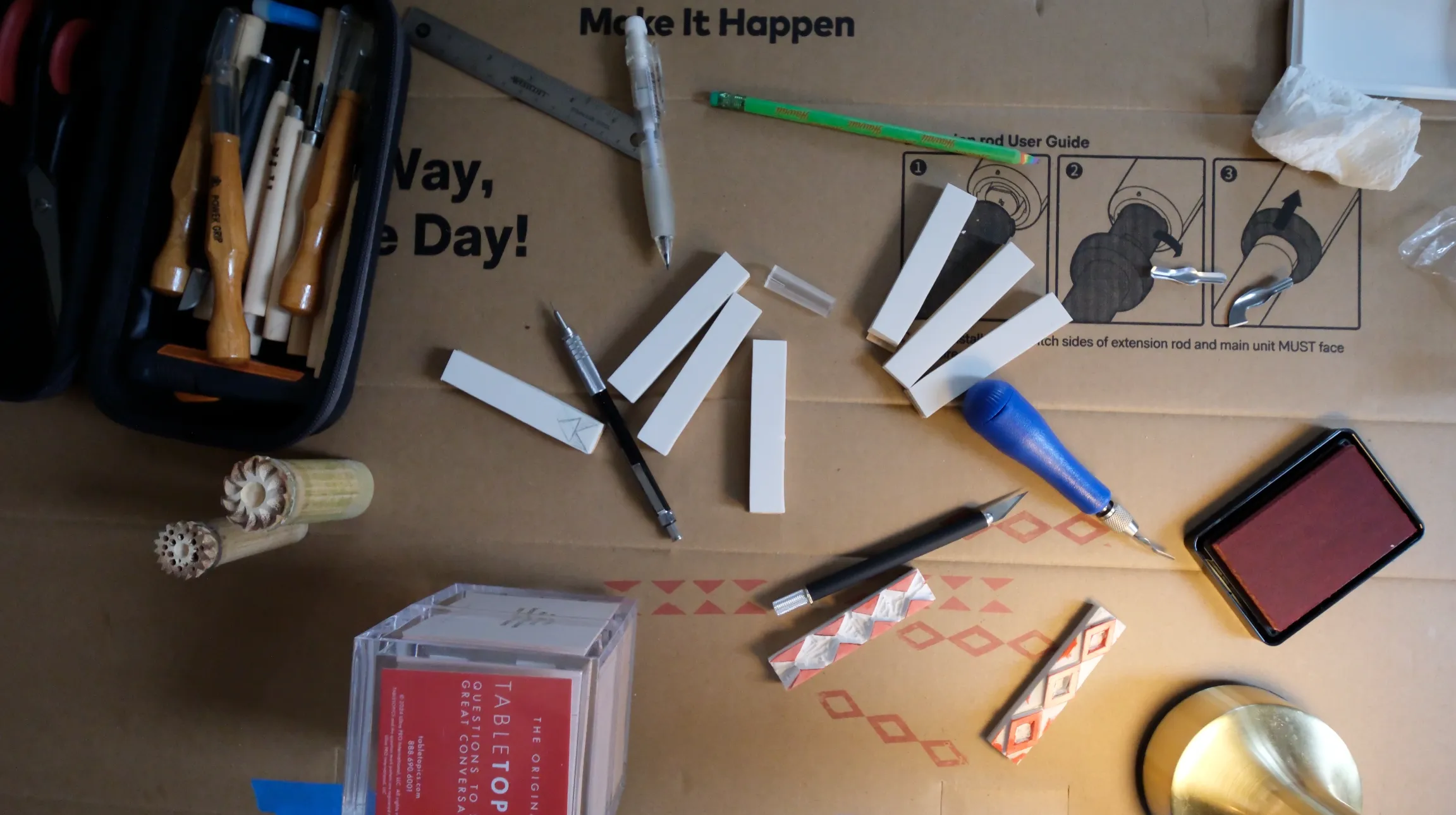

Kahua: An ʻŌiwi Design Thinking Card Deck
A design tool that redesigns how you use design tools.
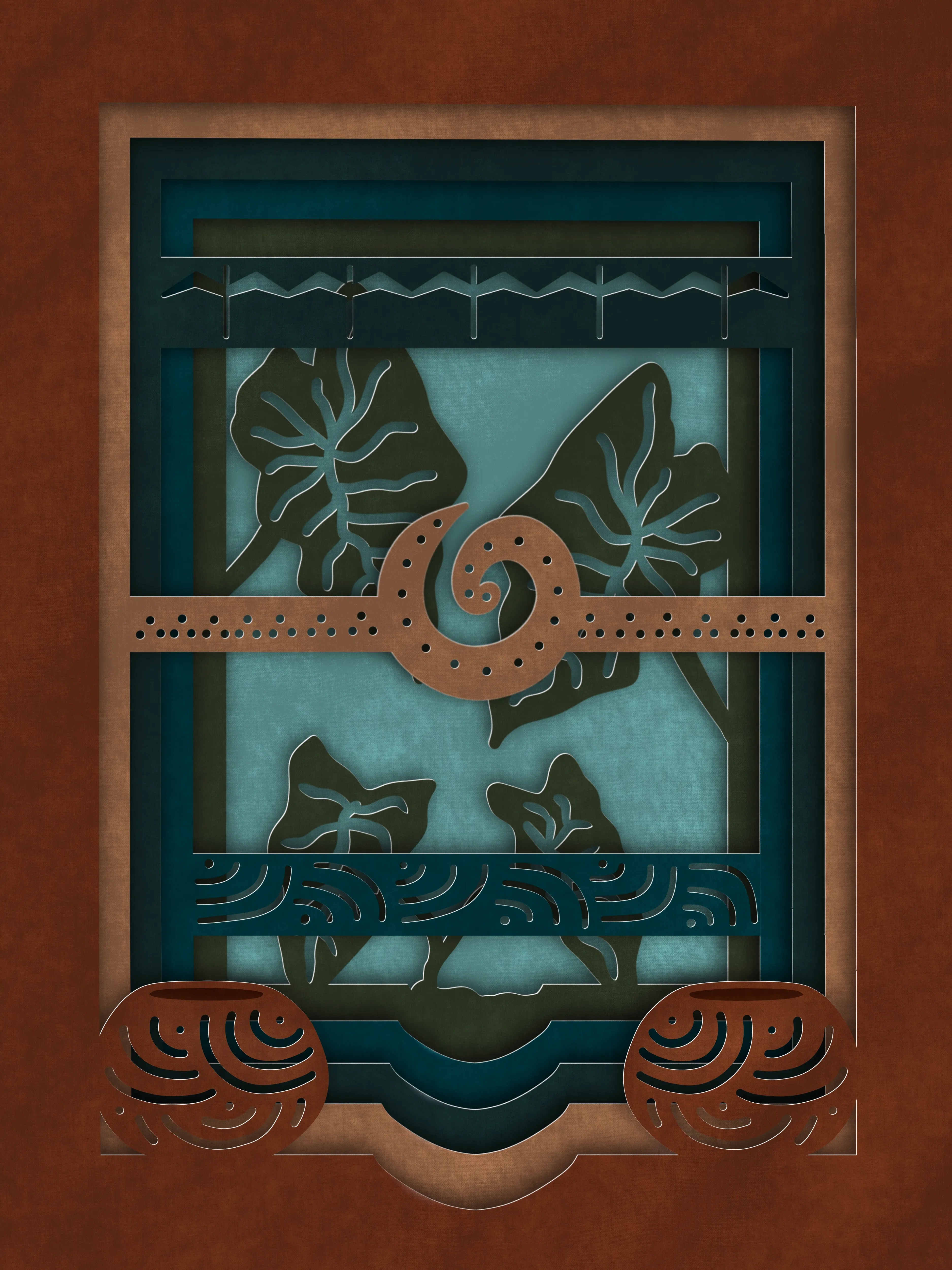
Kiʻi o ka Hana: Imaging the Work of Making
Depth, light, and material holding what cannot be spoken.
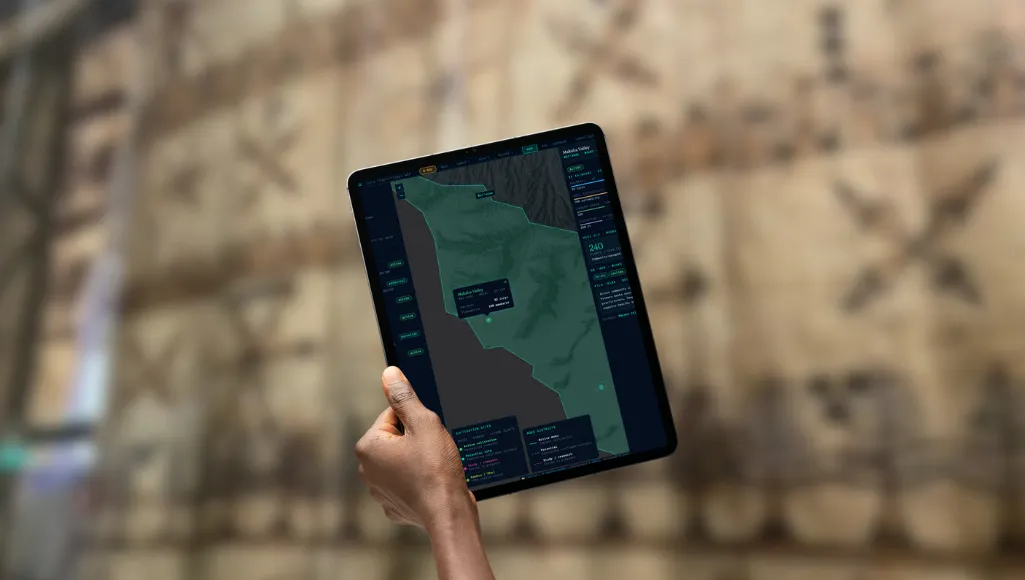
Wauke: A Living Map of Possibility
Design as a tool for cultural restoration.